

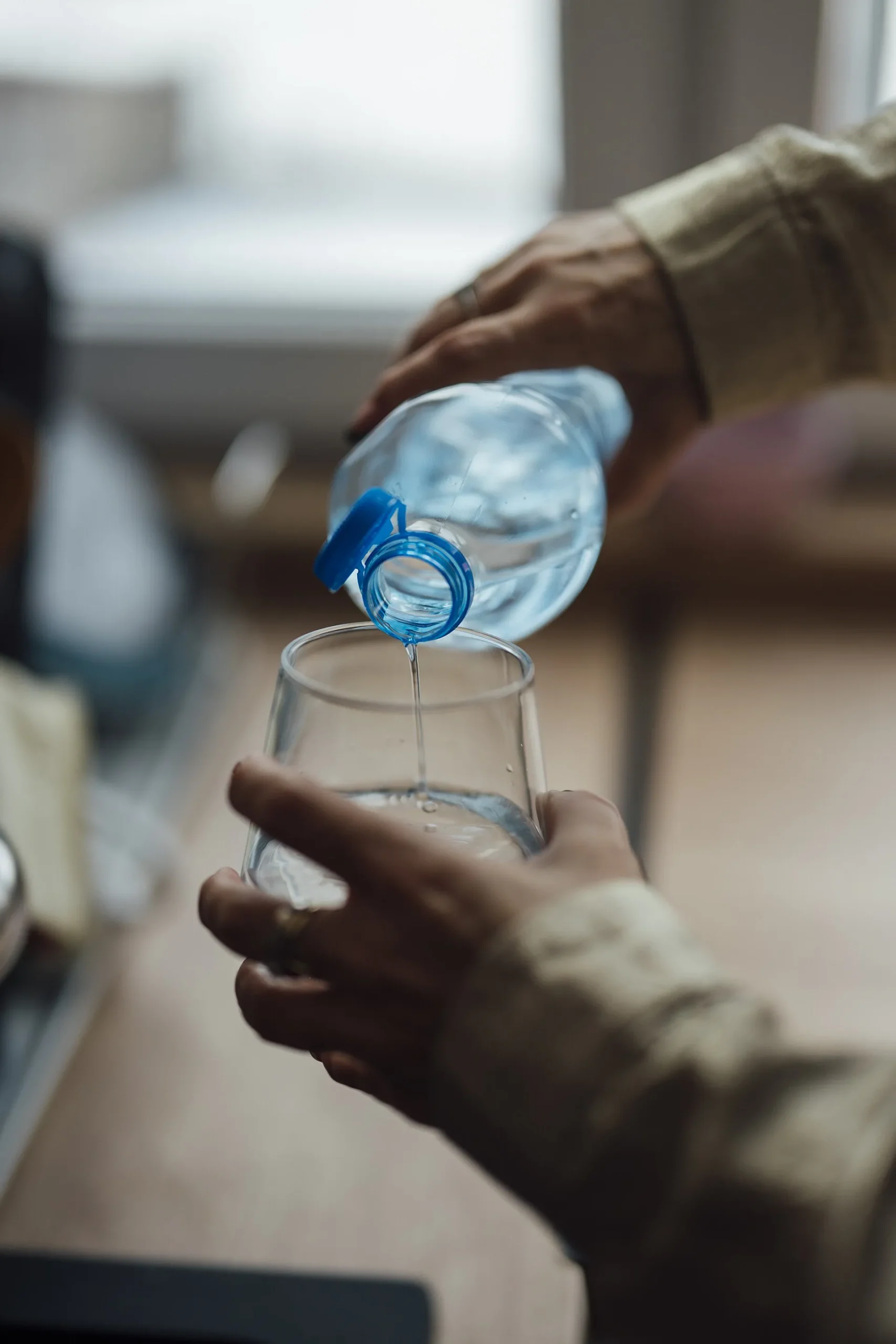
Here is a confession most of us could make at the supermarket: we have read the headlines about microplastics, we own a reusable bottle, and we still, regularly, buy water in plastic. A new survey of around 15,000 people across 81 countries suggests this quiet contradiction is not a personal failing but a global pattern.
So what is actually going on in the moment of purchase? Bloggers and behavioural writers who picked through the findings keep landing on the same unglamorous trio: marketing that sells purity, taste preferences formed over years, and habits so automatic they barely register as decisions. This post unpacks those forces honestly, and looks at the small, practical steps households say are actually working for them, rather than the ones that merely sound virtuous.
The survey behind the headlines was unusually large: around 15,000 respondents across 81 countries, asked not only what they drink but why. Large majorities said they were aware that bottled water can carry microplastic particles and that plastic waste harms waterways, yet regular bottled-water buying remained common in almost every market surveyed.
The trust problem runs deeper than plastic
In many of the 81 countries surveyed, bottled water is not a lifestyle choice at all. Where municipal supplies are intermittent, discoloured or the subject of past contamination scandals, sealed bottles are a rational insurance policy. Even in wealthy cities with excellent tap water, a single widely reported incident can shift buying habits for years, because trust in infrastructure recovers far more slowly than water quality itself.
That helps explain why the survey found persistence across very different income levels. The product solves different problems in different places: safety in one market, taste in another, status and convenience in a third. A single global message about plastic was never likely to dislodge all three at once.
Researchers keep returning to the same puzzle. Awareness campaigns have worked, in the narrow sense that people can now repeat the warnings back. Behaviour, however, is being driven by something else: convenience at the moment of thirst, distrust of local tap supplies, and a taste preference that brands have spent decades cultivating.
What households are actually doing
The more interesting finding is what is changing at the margins. Households describe a hybrid routine: a filter jug or under-sink filter for everyday drinking, a reusable bottle for work and school, and bottled water kept for travel, guests and emergencies. Refill stations in supermarkets, airports and campuses are normalising the middle path, and several major brands now sell concentrated refills and larger returnable formats to keep a place in that routine.
Health agencies stress that the science is still developing. The World Health Organization has reviewed microplastics in drinking water and concluded that more research is needed on exposure and possible effects, while the United Nations continues to frame plastic pollution as a waste-management crisis as much as a consumer one.
For more coverage from our newsroom, see: Spots, Fever and Cough: Recognising Measles Early.
What would actually change the habit?
Ask behaviour specialists what would move the numbers and few mention another advertising campaign about plastic. They mention deposit-return schemes that make an empty bottle worth money, refill points as common as cash machines, and tap water whose quality is published, street by street, in real time. Each intervention attacks friction or trust rather than knowledge. The survey suggests consumers are not waiting to be convinced. They are waiting to be given an easier option that tastes as good.
For now, the 15,000-person survey reads less like an indictment and more like a map: it shows exactly where behaviour is stuck, and where it is already moving. The households quietly filtering, refilling and carrying their own bottles are not waiting for perfect information about microplastics. They have simply made the alternative easier than the habit.
A practical note for workplaces, venues and events
The survey’s lessons apply at small scale as well as national scale. Workplaces, gyms, venues and event organisers shape water habits more than awareness campaigns do: a visible, well-maintained refill station changes behaviour in a way a poster about microplastics never will. Caterers report that guests happily use jugs and glasses when they are offered confidently, and hesitate only when tap water is presented as a compromise.
None of this requires pretending the science is settled. It requires only noticing that the default matters. Where the default is a single-use bottle, bottles win; where the default is a refill, refills win. The 81-country persistence the researchers documented is, in that light, less a mystery of consumer stubbornness than a predictable outcome of the environments built around consumers — and environments, unlike attitudes, can be redesigned quickly.
