

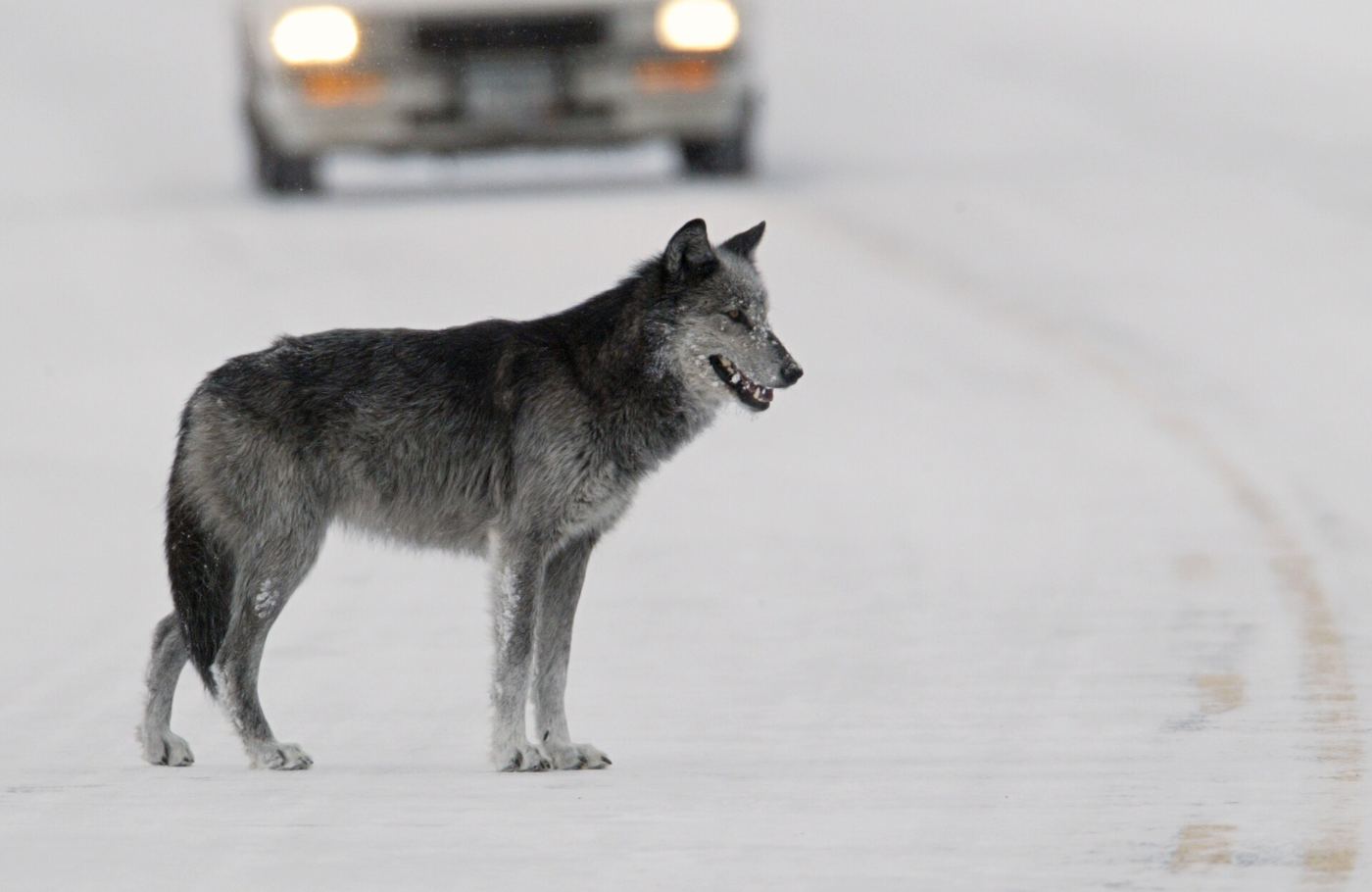
Wolves are coming back to landscapes they were driven from a century ago. In Europe, wolf numbers have grown steadily as legal protection, forest regrowth and abundant deer have allowed packs to spread from the Carpathians and the Apennines into France, Germany, the Netherlands and beyond. In North America, the reintroduction of wolves to Yellowstone National Park in the 1990s remains the most studied example of what a top predator can do to an ecosystem. By hunting elk and changing where elk choose to graze, wolves allowed streamside plants to recover, which in turn helped beavers, birds and fish. Scientists debate how much of that change was caused by wolves alone, and how much by drought, hunting and other factors, but the broad lesson stands: removing a predator reshapes a landscape, and bringing it back reshapes it again. The return is not only an ecological event but a cultural one, forcing towns and farms to live alongside an animal their grandparents feared.
What the Evidence Shows
Living with wolves requires practical measures and patience. Farmers protect sheep and cattle with fences, guard dogs and shepherds, and several countries pay compensation for livestock losses, although payments do not always cover the stress and extra work. Attacks on people are extremely rare, and most wolves avoid humans, but sightings near villages still cause alarm, and debates about hunting and population control are heated. Conservationists argue that wolves control deer numbers, reduce overgrazing and keep ecosystems healthier, while critics say the costs fall unfairly on rural communities. The future is likely to be a managed coexistence, with wolves protected in some areas and controlled in others, and with support for the people who share the land with them. The wolf’s return shows that nature can recover when given space, and that recovery brings both benefits and responsibilities. Coexistence will need funding, patience and honest conversation between farmers, hunters and conservationists. Reporting and analysis from sources such as National Science Foundation track the same developments, and specialists following wolf rewilding say the direction is now consistent across independent lines of evidence.
The Wider Context
The wider context is a research landscape in which replication and open data now decide reputations. Findings connected to wolf rewilding are being checked by independent groups with shared datasets, and the teams involved publish their methods in full so rivals can test every step. That discipline is slower than a headline cycle, but it is why results in this area increasingly survive first contact with scrutiny.
What Happens Next
What happens next in the story of wolf rewilding will be decided by follow-up work already under way: larger samples, longer observation and instruments that have not yet come online. The researchers involved are unusually united on one point, that the current results justify the next investment of time and money. Readers will not have to wait long for the first tests of that claim. You can follow related developments in our coverage of science.
There is a practical lesson in all of this for readers deciding what to do today. Start with the verified facts, be wary of anyone promising certainty, and prefer reversible steps while the evidence is still developing. Circumstances differ by country, income and personal situation, so general guidance should always be weighed against your own context before you act on it in any significant or lasting way.
