

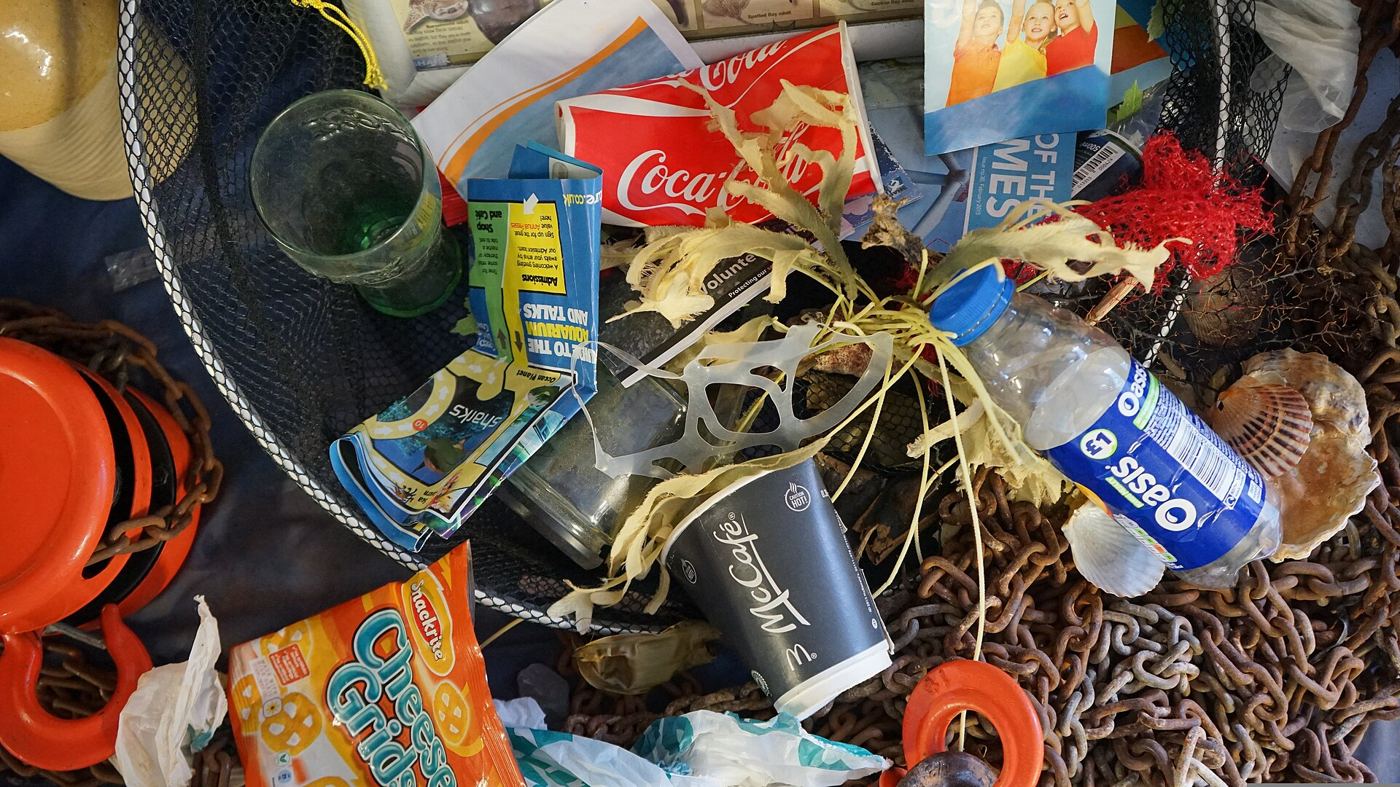
After three years of negotiations and six rounds of talks, the world still has no treaty to stop plastic pollution. The latest attempt collapsed in Geneva in August 2025, when delegates from 185 nations spent eleven days at the resumed fifth session of the Intergovernmental Negotiating Committee and left without an agreement, after an overnight session that ran into the early hours of Friday. The divide was fundamental. A High Ambition Coalition, including the European Union, Britain, Canada and many African and Latin American countries, wanted the treaty to cap production of new plastic and phase out hazardous chemicals. A group of mostly oil-producing states, including Saudi Arabia, Russia and Iran, insisted the treaty should cover only waste management. The chair, Ecuadorian diplomat Luis Vayas Valdivieso, put forward two draft texts; delegates rejected both.
What the Evidence Shows
The failure matters because the problem keeps growing. The world produces more than 400 million tonnes of plastic a year, and production is projected to keep rising as oil companies invest in petrochemicals. Only a small fraction is recycled, and the rest is burned, buried or leaks into rivers and oceans, breaking down into microplastics that have been found in human blood, lungs and placentas. The talks are not formally dead: the chair adjourned the session to resume at a later date, and some countries are pressing ahead with national measures, including bans on single-use items and taxes on virgin plastic. Campaigners argue that the consensus rule itself is the problem, since it gives a small group of states a veto over the majority. The next round will test whether the process can be fixed, or whether the treaty will join the long list of environmental agreements that arrived too late. Reporting and analysis from sources such as National Science Foundation track the same developments, and specialists following global plastics treaty say the direction is now consistent across independent lines of evidence.
The Wider Context
The wider context is a research landscape in which replication and open data now decide reputations. Findings connected to global plastics treaty are being checked by independent groups with shared datasets, and the teams involved publish their methods in full so rivals can test every step. That discipline is slower than a headline cycle, but it is why results in this area increasingly survive first contact with scrutiny.
What Happens Next
What happens next in the story of global plastics treaty will be decided by follow-up work already under way: larger samples, longer observation and instruments that have not yet come online. The researchers involved are unusually united on one point, that the current results justify the next investment of time and money. Readers will not have to wait long for the first tests of that claim. You can follow related developments in our coverage of science.
There is a practical lesson in all of this for readers deciding what to do today. Start with the verified facts, be wary of anyone promising certainty, and prefer reversible steps while the evidence is still developing. Circumstances differ by country, income and personal situation, so general guidance should always be weighed against your own context before you act on it in any significant or lasting way.
