

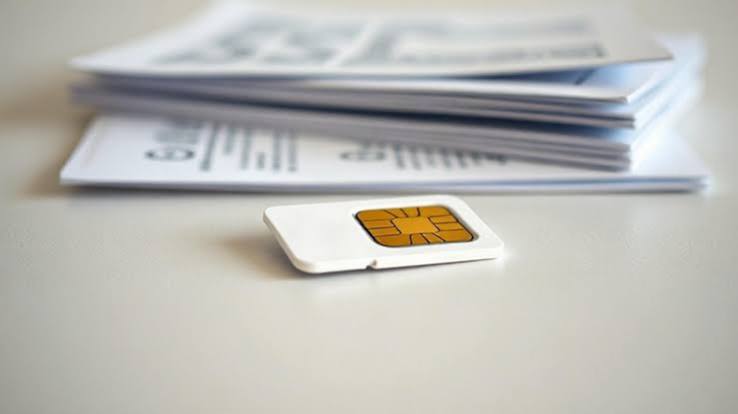
The first thing that happens after you sign up with a connectivity provider is not a shipment. It is an intake call. Before any SIM leaves the warehouse, the provider wants to know what the cards will be doing: which devices they go into and which countries they will connect from. The provider also asks roughly how much data each card will use. Those answers shape everything that follows, so the process starts there rather than with a box in the mail.
The intake: your device list drives every decision
In that first conversation, the provider maps your fleet. You supply the practical details:
- the hardware models
- the locations the devices will connect from
- a realistic data estimate per device or employee
This is your main homework in the whole process, and it pays to do it carefully. An estimate that is too low can lead to throttled devices later, meaning their data speed gets cut. One that is too high means you pay for data nobody uses.
The provider uses this list to check network coverage per country. A carrier-neutral provider does not rely on a single network but lets each SIM connect to whichever local network is strongest. That check happens on paper first, then in practice.
The pilot: a few test SIMs before the full order
The full order does not ship on day one. Instead, you usually receive a small batch of test SIMs for a pilot. You place them in real devices at real locations, and together you watch the results in a dashboard for a few weeks. If a tracker drops its connection in a specific region, that surfaces during the pilot, while the fix is still cheap. Only after the pilot holds up does the bulk order go out.
Choosing the form factor: plastic card or soldered chip
During the pilot, the provider also advises on the physical format. For office routers, a standard plastic SIM is fine. For equipment that vibrates or runs hot, such as vehicle telematics or machinery sensors, the recommendation often shifts to a format called mff2, a SIM chip soldered directly onto the circuit board. There is no slot, so there is nothing to work loose, and the chip tolerates far wider temperature swings than a plastic card. Getting this choice right before mass deployment matters, because swapping a soldered chip later means opening up every device in the field.
Setting up the portal before the SIMs go live
While the cards are in production, the provider configures the management platform. Each SIM gets a data limit and an alert threshold. If needed, a SIM is also locked to a specific device, so a stolen card is useless elsewhere. You decide the rules; the provider builds them in. By the time the shipment arrives, activating a SIM is a matter of switching it on in the portal rather than filing a support ticket.
Rolling out connectivity to people, not just machines
Many companies run the same process for traveling staff, because the problem is much the same. Employees cross borders, and roaming charges often follow. Here no hardware ships at all. Each traveler scans a QR code and installs an eSIM for business travel, a SIM delivered as software rather than a physical card, alongside their regular number. The personal number keeps working for calls while data runs over the business profile, visible to IT in the same portal as the device SIMs. A provider such as Weconnect handles machines and travelers under one contract for exactly this reason.
What you hold when the rollout is done
At the end of the process you have three concrete things:
- active SIMs in every device and phone
- one portal where you see live usage and can adjust limits yourself
- a single invoice covering all countries
The day-to-day work shifts from chasing local telecom contracts to glancing at a dashboard. When a device misbehaves, you check its connection status yourself before calling anyone. That self-service is the real deliverable, and it is why the intake at the start takes the time it does.
