

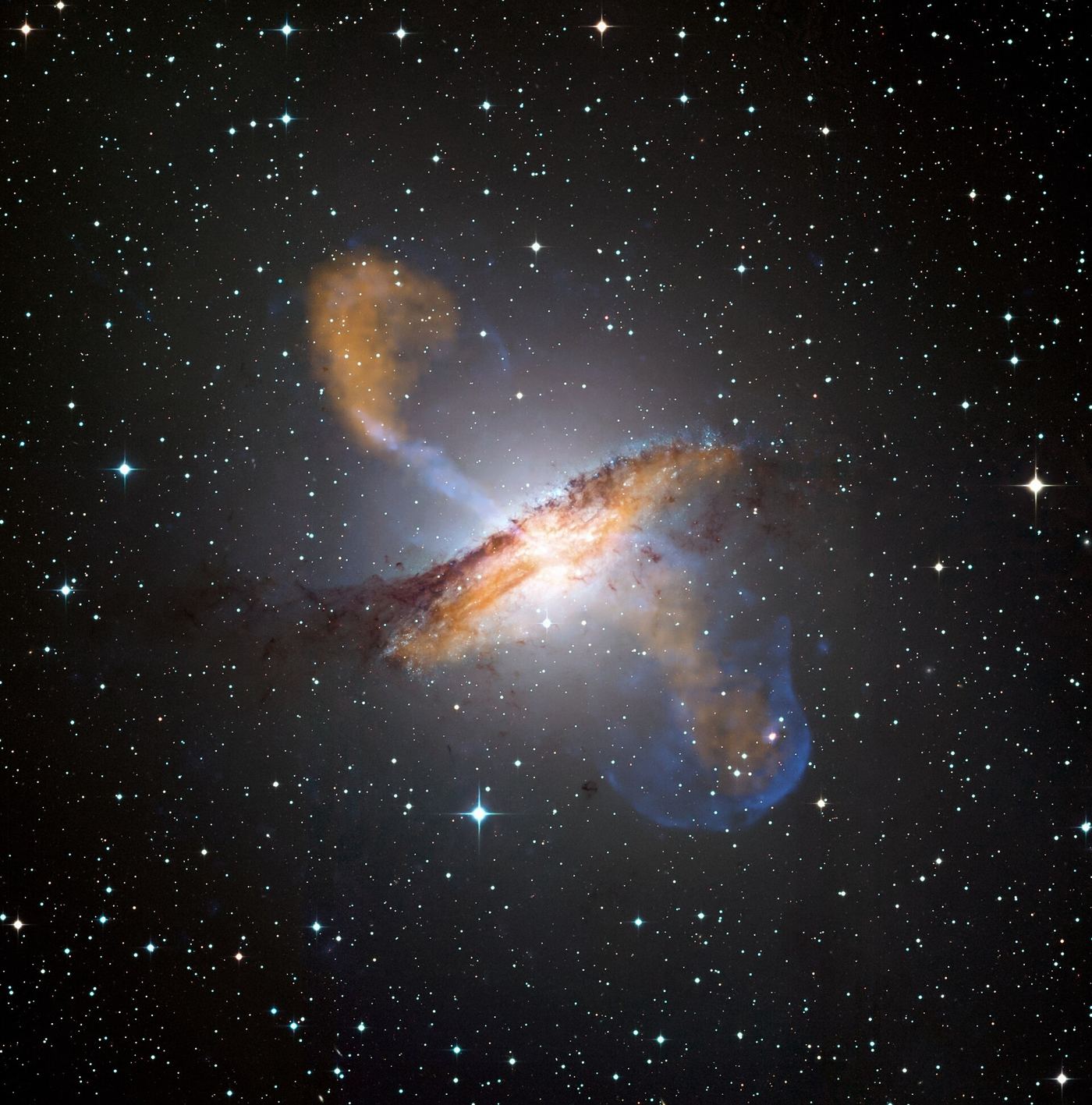
Massive stars may be quietly collapsing into black holes without ever producing the spectacular supernova explosions scientists typically expect. The surprising pattern, reported on 22 November 2026, comes from 257 black hole mergers detected by gravitational wave observatories. Some of the black holes in those mergers appear to have formed directly from massive stars that simply vanished, their cores collapsing inward without the brilliant blast that astronomers usually look for. If true, a large share of the universe’s black holes may be born in silence, leaving no flash of light to mark their creation. The mergers were recorded by the LIGO and Virgo detectors, which listen for the ripples in spacetime that colliding black holes produce.
What the Evidence Shows
Astronomers have long assumed that most black holes are born in supernovae, the explosions that scatter a dying star’s outer layers across space. A quiet collapse challenges that picture and changes how scientists count black holes and model how galaxies evolve. It also explains a puzzle: some massive stars seem to disappear from telescope images without any explosion being recorded. The evidence comes from the masses and spins of merging black holes, which carry clues about how their parent stars died. More gravitational wave detections in the coming years should show whether silent collapse is common or rare. The findings will guide the design of future observatories, which aim to catch the birth of black holes in real time. Reporting and analysis from sources such as National Science Foundation track the same developments, and specialists following silent stellar collapse into black holes say the direction is now consistent across independent lines of evidence.
The Wider Context
The wider context is a research landscape in which replication and open data now decide reputations. Findings connected to silent stellar collapse into black holes are being checked by independent groups with shared datasets, and the teams involved publish their methods in full so rivals can test every step. That discipline is slower than a headline cycle, but it is why results in this area increasingly survive first contact with scrutiny.
What Happens Next
What happens next in the story of silent stellar collapse into black holes will be decided by follow-up work already under way: larger samples, longer observation and instruments that have not yet come online. The researchers involved are unusually united on one point, that the current results justify the next investment of time and money. Readers will not have to wait long for the first tests of that claim. You can follow related developments in our coverage of science.
There is a practical lesson in all of this for readers deciding what to do today. Start with the verified facts, be wary of anyone promising certainty, and prefer reversible steps while the evidence is still developing. Circumstances differ by country, income and personal situation, so general guidance should always be weighed against your own context before you act on it in any significant or lasting way.
