

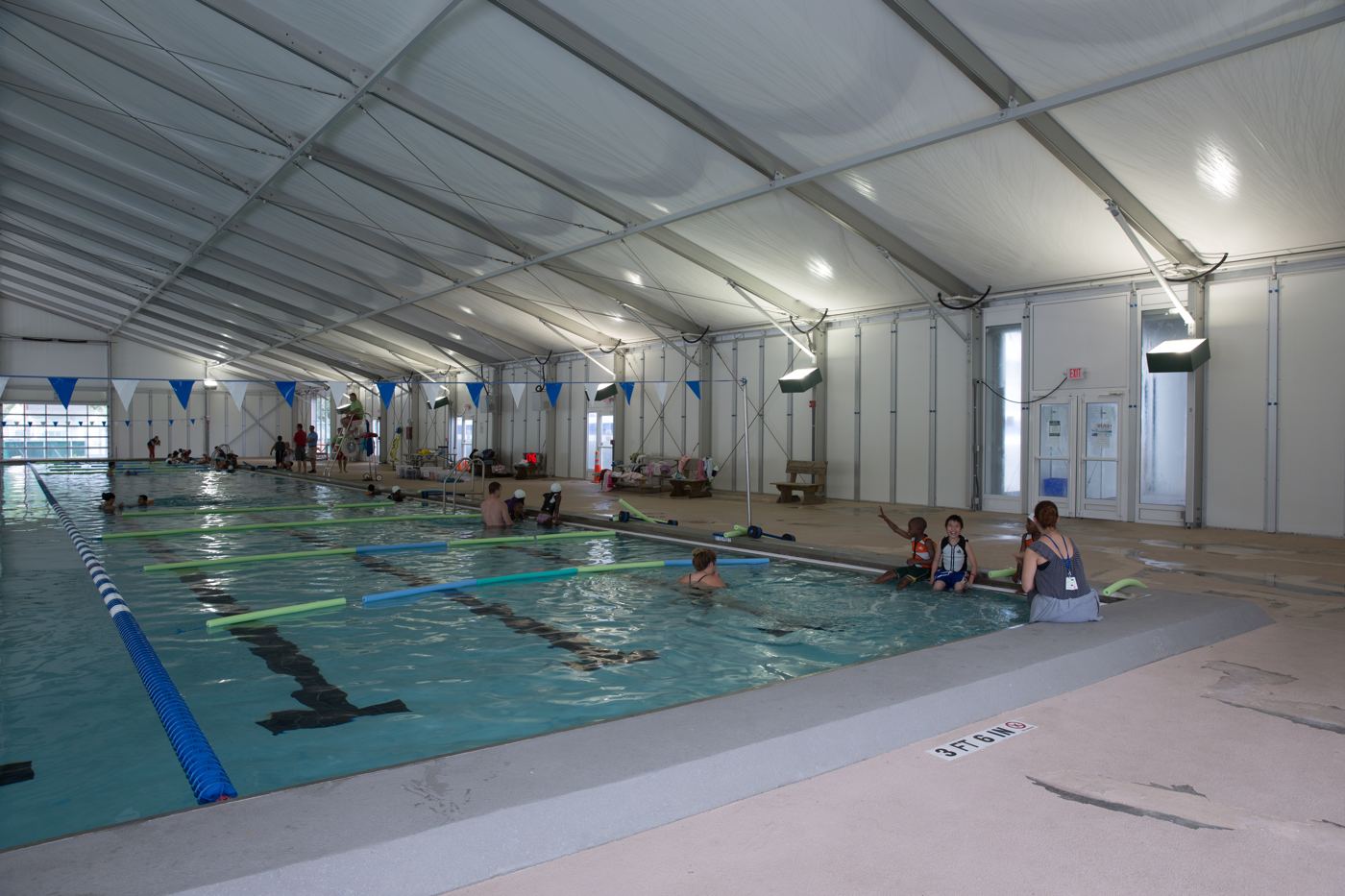
Swimming is offering a gentle workout for every fitness level, as people look for exercise that strengthens the body without straining the joints. Unlike running or high-impact classes, swimming supports the body’s weight in water, so knees, hips and backs are spared the pounding that puts many people off exercise. Health experts say a swim works almost every muscle, from the arms and shoulders to the legs and core, while also raising the heart rate and improving lung capacity. The pace is entirely personal: a slow, steady breaststroke is a fine workout for a beginner, while a faster front crawl challenges even a fit swimmer. Many people also find the water calming, with the rhythmic breathing and the quiet of the pool easing stress in a way that a busy gym cannot. Local pools offer lessons for adults who never learned, gentle aqua classes and quiet lanes for slower swimmers, so the pool is welcoming even for those who feel nervous. For people of all ages, swimming is a workout that can be kept up for life.
What the Evidence Shows
Experts advise starting with short sessions, such as twenty minutes once or twice a week, and building up gradually rather than aiming for long distances at once. A proper warm-up and a few stretches afterwards help prevent stiffness, and a well-fitting swimsuit, goggles and a swim cap make the experience far more comfortable. Anyone with a health condition should check with a clinician before starting, and beginners are advised to swim where a lifeguard is present. Swimming with a friend or joining a class adds motivation and makes the habit easier to keep. It is also worth varying the strokes and the pace, since variety works different muscles and keeps the sessions interesting. For most people, health experts say, swimming is one of the kindest and most complete forms of exercise, and a regular swim is a habit the body thanks you for. Reporting and analysis from sources such as National Institutes of Health track the same developments, and specialists following swimming for gentle fitness say the direction is now consistent across independent lines of evidence.
The Wider Context
The wider context is a health system trying to move from treating illness late to preventing it early, against budgets that reward the opposite. Evidence around swimming for gentle fitness is being weighed by guideline committees that ask two questions in order: does it work, and can ordinary services actually deliver it at scale. Many good ideas pass the first test and stall on the second.
What Happens Next
What happens next for swimming for gentle fitness depends on the slow machinery of guidelines, funding and training catching up with the evidence. Patients asking about it today should expect honest answers that include uncertainty, and clinicians say a service that explains what is not yet known earns more trust than one that oversells. The research pipeline, at least, is moving in the right direction. You can follow related developments in our coverage of health.
None of this will be settled by a single announcement, study or product launch. The pattern to watch is accumulation: independent confirmations, honest reporting of failures and steady improvement in the underlying numbers. Readers who follow those signals, rather than the loudest claim of the week, will understand this subject better than most of the commentary surrounding it suggests is possible.
