

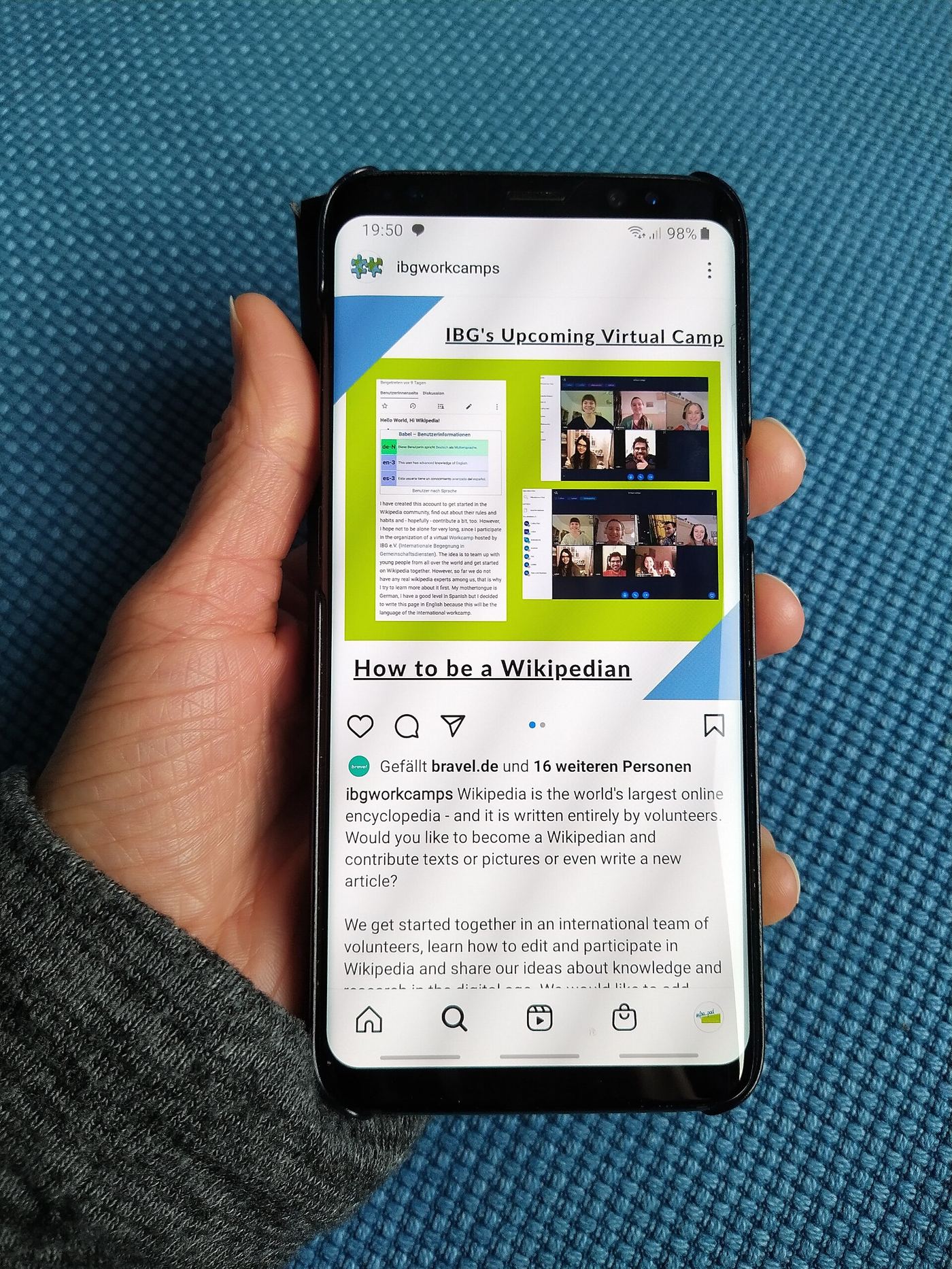
Phone users are switching to SIM-only deals to cut their monthly bills, keeping a handset that still works well instead of paying for a new one. A traditional phone contract bundles the cost of the handset with the calls, texts and data, which suits people who want the latest model, yet it usually costs far more each month than a SIM-only plan. Once the handset is paid off, many users keep paying the same high monthly amount out of habit, even though the phone itself now belongs to them. Consumer advisers say a SIM-only deal, often a rolling monthly plan, can cut the bill by half or more for the same data allowance. The switch is simple: check how much data is actually used, compare deals online, and move the number across with a switching code. For anyone happy with their current phone, the saving starts the very next month.
What the Evidence Shows
Experts advise a few checks before switching: confirm the new network’s coverage where the phone is used most, check whether the deal includes enough data, and read the terms on roaming if travelling abroad. A one-month rolling plan offers flexibility, while a twelve-month deal usually costs less. Users should also check whether their current contract has ended, since leaving early can trigger a fee. Keeping the old handset means budgeting for a repair or a replacement battery, which is still usually cheaper than a new contract. Anyone who does want a new phone can compare buying it outright with a SIM-only plan against a bundled contract. For most users, advisers say, the SIM-only switch is one of the easiest savings in the household budget. Reporting and analysis from sources such as World Bank track the same developments, and specialists following SIM-only phone deals say the direction is now consistent across independent lines of evidence.
The Wider Context
For households and small firms, SIM-only phone deals matters through prices and access rather than through market commentary. Changes at this level arrive as a rate on an offer letter, a fee on a statement or a product that quietly disappears from a comparison table. Consumer groups argue that transparency at exactly that point of decision is worth more than any amount of market-level reporting.
What Happens Next
The outlook for SIM-only phone deals hinges on policy choices that will be made in the open over the coming quarters. Market participants are positioned for more than one outcome, which is why the immediate reaction to each announcement has been smaller than the commentary around it. For ordinary savers and borrowers, the advice from every quarter is the same: review your own position, not the headlines. You can follow related developments in our coverage of finance.
It is also worth remembering how quickly the picture in this area has changed before. Positions that looked settled a few years ago have been revised as new data arrived, and the same humility is appropriate now. The strongest coverage of this subject, and the most useful advice, tends to come from sources that update their views openly when the facts move, rather than defending an earlier position long after it has stopped fitting the evidence available.
