

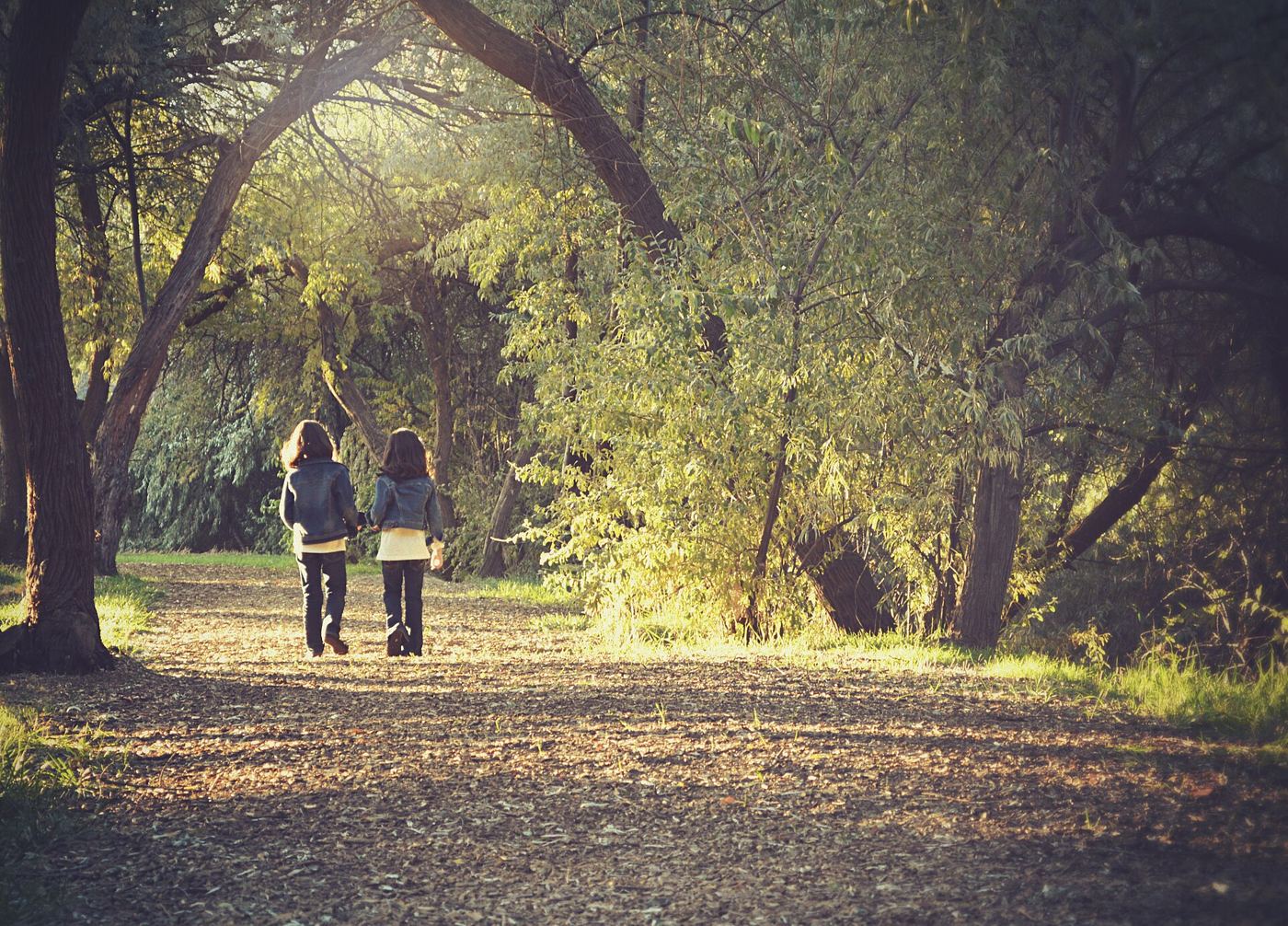
Guided park walks are helping newcomers build a weekly exercise habit, offering a gentle, social way into regular activity for people who find gyms intimidating or expensive. Volunteer walk leaders plan routes of different lengths, set a comfortable pace and welcome first-timers with a brief introduction, so nobody has to worry about keeping up or getting lost. Health services say the format works particularly well for people recovering from illness, older adults returning to activity and new parents looking for fresh air and company. The walks are free, need no special clothing beyond comfortable shoes, and run in most weather, which helps the habit survive the winter. Regular walkers report better stamina, improved mood and new friendships, and many say the fixed weekly time is what keeps them coming back when motivation dips.
What the Evidence Shows
Physiotherapists recommend walking as one of the safest forms of exercise, because it is low impact, easy to scale and gentle on joints, yet still improves heart health, balance and bone strength when done regularly. Walk leaders are trained to watch for anyone struggling and to offer shorter loops or rest stops without fuss. Public health teams value the walks because they reach people who rarely engage with formal health programmes, and the social element appears to be the ingredient that keeps attendance high long after the novelty fades. Anyone interested can usually find a local group through their council, library or GP practice, and most welcome new members without booking. For people who have been meaning to get active, a guided walk in the park is often the easiest first step to take. Reporting and analysis from sources such as National Institutes of Health track the same developments, and specialists following guided park walks say the direction is now consistent across independent lines of evidence.
The Wider Context
The wider context is a health system trying to move from treating illness late to preventing it early, against budgets that reward the opposite. Evidence around guided park walks is being weighed by guideline committees that ask two questions in order: does it work, and can ordinary services actually deliver it at scale. Many good ideas pass the first test and stall on the second.
What Happens Next
What happens next for guided park walks depends on the slow machinery of guidelines, funding and training catching up with the evidence. Patients asking about it today should expect honest answers that include uncertainty, and clinicians say a service that explains what is not yet known earns more trust than one that oversells. The research pipeline, at least, is moving in the right direction. You can follow related developments in our coverage of health.
None of this will be settled by a single announcement, study or product launch. The pattern to watch is accumulation: independent confirmations, honest reporting of failures and steady improvement in the underlying numbers. Readers who follow those signals, rather than the loudest claim of the week, will understand this subject better than most of the commentary surrounding it suggests is possible.
