

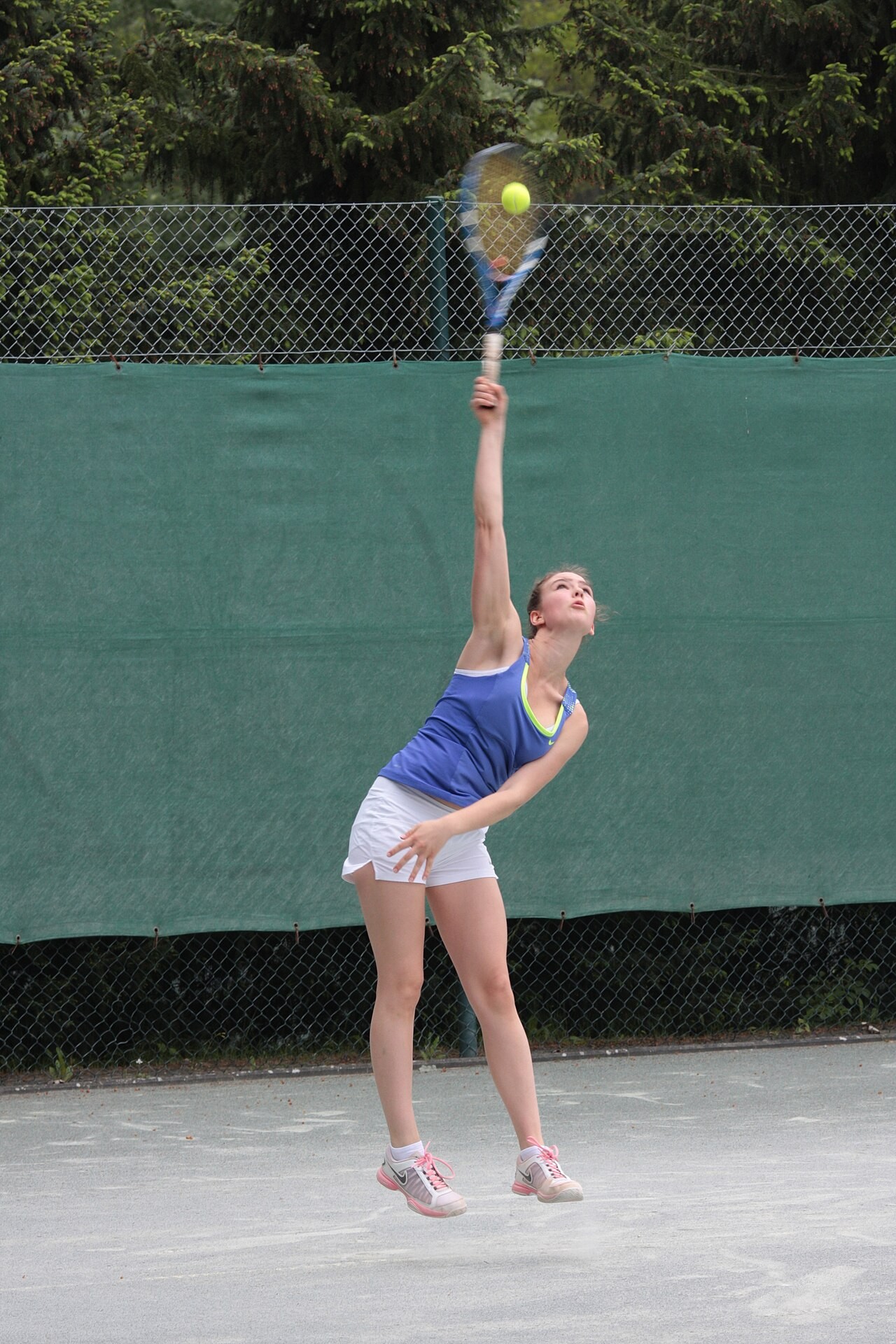
Australian tennis loves a surge, and it has a genuine one on its hands. Talia Gibson, the powerful West Australian whose name keeps trending after big weeks, has travelled the least glamorous road in the sport — futures events, qualifying draws, long-haul flights for a single match — and emerged as one of the most watchable young players in the country. For readers of our sport section, her story is worth knowing before the rest of the world learns it.
From Perth courts to the professional grind
Gibson grew up in Perth, far from the eastern-seaboard academies that dominate Australian junior tennis, and built her game on outdoor hard courts in Western Australian heat — conditions that forge a particular kind of player: patient in rallies, comfortable attacking in wind, and unbothered by discomfort. She announced herself in junior ranks, then did what the rankings demand and almost nobody photographs: she went and earned points the slow way, week after week, on the ITF circuit.
That apprenticeship shows in her tennis. There is no panic in it. Gibson plays first-strike tennis built around a heavy serve and a forehand she is willing to hit from anywhere, but she has added the rally tolerance that separates promising hitters from tour players — staying in points long enough for the short ball to arrive rather than forcing it three shots early.
Why she is trending now
Search interest follows results, and Gibson’s recent seasons have stacked them: deep runs at home events, wins over higher-ranked opponents, and the rankings climb that turns a wildcard conversation into a direct-entry one. Australian summer crowds reward exactly her profile — a local who attacks — and each January her matches have drawn the kind of noise usually reserved for the country’s established names. Tennis Australia has taken notice too, and her profile on the game’s official channels has grown with every season.
The wider context matters. Australian women’s tennis has been searching for its next wave since its last era of champions wound down, and a cohort rather than a single saviour is emerging. Gibson is at the front of that cohort’s power bracket — and, crucially, her game is built for hard courts, the surface on which most of the modern calendar, including her home Grand Slam, is played.
The game, up close
Watch Gibson live and two things register immediately. The first is the serve: not merely powerful, but placed with intent, wide to open the court or into the body to jam a returner crowding the baseline. The second is her willingness to step inside the baseline on second-serve returns, a small act of aggression that changes the geometry of entire service games and signals a player who expects to win rather than hopes to. Coaches call that quality “court presence,” and it cannot be taught in a drill. It is also why her matches swing so visibly: when the timing is on, she dictates; when it deserts her, the errors arrive in clusters — the classic profile of a young attacking player still calibrating risk.
What comes next
The next steps are unglamorous and specific: converting strong weeks into seedings, surviving the middle months of the calendar away from home, and adding margin to the second serve, the shot the whole tour will now test because the scouting reports say to. Her record and ranking trajectory can be followed through the WTA’s official site, where the trend line tells the story plainly.
Plenty of talented juniors stall at exactly the ranking band Gibson is now pushing through, which is why her progress deserves the attention it is getting. She is doing the hardest thing in tennis — still rising after everyone has seen her game. Remember the name; by the time the next home summer arrives, you will not need reminding. More player profiles and sports features are at Medium Bloggers.
