

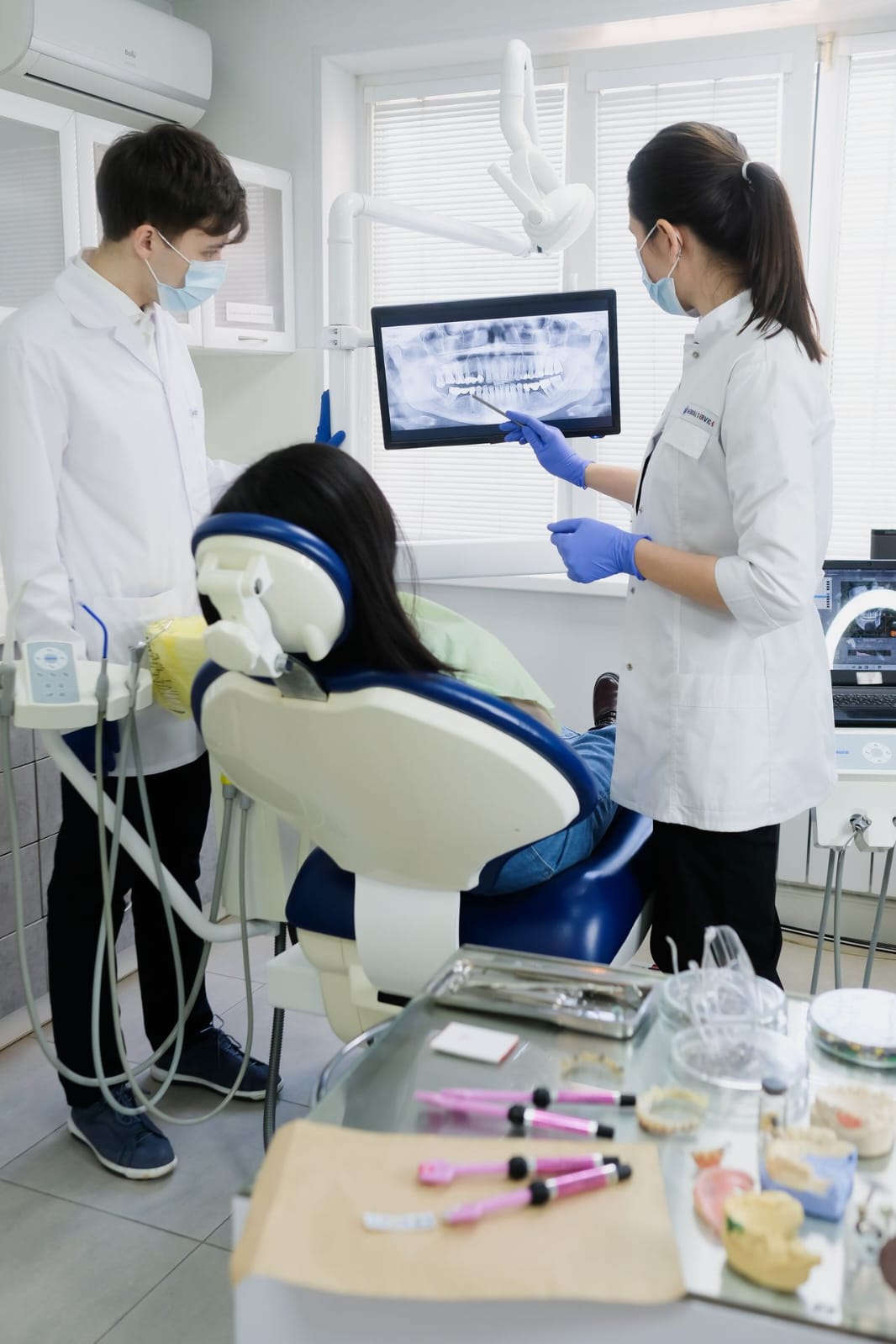
Every dental practice, regardless of specialty or size, will encounter cases that push the boundaries of clinical skill, patient management, and creative problem-solving. Complex cases may involve patients with significant dental anxiety, unusual anatomy, compromised bone structure, systemic health conditions that complicate treatment, or treatment histories that have left behind a trail of difficult sequelae. Navigating these cases well requires not just technical expertise but also sound judgment, strong communication skills, and a willingness to seek out the tools and collaborations that will serve the patient best. The dentists who consistently achieve good outcomes in difficult situations tend to be those who approach complexity with patience, preparation, and an open mind.
Start With a Thorough Assessment and Clear Documentation
The foundation of managing any challenging case is a comprehensive understanding of where things currently stand. A thorough clinical examination, detailed patient history, high-quality imaging, and careful documentation of existing conditions give the clinician the clearest possible picture from which to plan. In cases involving significant restorative work or implants, gathering precise data about the patient’s anatomy is particularly critical, as small errors at the planning stage can compound significantly during treatment. Detailed records also protect both the patient and the practice by establishing a clear baseline and a transparent rationale for treatment decisions. Taking the time to assess thoroughly before proceeding is not inefficiency; it is the kind of diligence that leads to better outcomes and fewer complications.
Communicate Openly and Set Realistic Expectations
Difficult cases often come with uncertain timelines, the possibility of multiple treatment phases, and outcomes that cannot always be guaranteed with complete confidence. Patients who understand this context are far better prepared to participate in their care and to manage their expectations throughout the process. Having frank and compassionate conversations about what is possible, what the treatment will involve, and what alternatives exist builds the trust that is essential in any long or complex treatment relationship. It is far better to underpromise and overdeliver than to build expectations that cannot be met, particularly in cases where the margin for error is narrow. Clear communication at every stage of a challenging case is one of the most important protective factors against dissatisfaction and conflict.
Use Precision Technology to Reduce Margin for Error
In complex cases, the accuracy of diagnostic and treatment planning tools can make the difference between a predictable outcome and a significant complication. Digital scanning, cone beam computed tomography, and advanced imaging technologies have dramatically expanded the ability to understand and plan around difficult anatomy. For cases involving full arch implant reconstruction or complex prosthetic work, dental photogrammetry provides a level of dimensional accuracy in capturing implant positions that traditional methods simply cannot match, reducing the risk of costly remakes and improving the fit of final restorations. The investment in precision technology pays for itself many times over in the form of fewer complications, more efficient appointments, and better patient outcomes. Difficult cases deserve the most accurate tools available, and making that investment reflects a genuine commitment to patient care.
Know When to Refer and Who to Refer To
One of the most important skills in managing tough cases is the wisdom to recognize when a particular situation would be better served by a specialist or a collaborative approach. General dentists who have strong referral relationships with oral surgeons, periodontists, prosthodontists, and endodontists are better equipped to provide comprehensive care for patients whose needs exceed any single provider’s scope. Referring a patient appropriately and thoughtfully is not an admission of limitation; it is an act of clinical integrity that puts the patient’s outcome above the practice’s revenue. Specialists who are clear communicators and who respect the referring dentist’s relationship with the patient make the collaborative care model work especially well. Building and maintaining a trusted referral network is a strategic asset for any practice that sees complex cases. A well-organized referral process also helps patients understand why additional expertise is needed and what to expect during the next stage of treatment. Resources such as https://emergencydentistdallas.com/ can offer further insight into dental services, helping readers explore care options when specialized attention becomes necessary.
Debrief and Document After Complex Cases
The conclusion of a difficult case is not the end of the learning it contains; taking time to review what went well, what could have been handled differently, and what the outcome ultimately looked like is essential for professional growth. Detailed post-treatment documentation provides a record that benefits the patient’s future care and offers the clinician a reference point for similar cases down the line. Discussing complex cases with peers, whether in study groups, continuing education settings, or informal conversations with trusted colleagues, accelerates the development of clinical judgment and expands one’s repertoire of solutions. The most skilled and confident clinicians are almost universally those who approach their work with ongoing curiosity and a commitment to learning from both success and difficulty. Every tough case navigated well becomes a resource for the next one.
Conclusion
Complex patient cases are an inevitable and ultimately enriching part of dental practice. They demand more from the clinician in terms of preparation, communication, technology, and humility, but they also offer the greatest opportunity for growth and for making a meaningful difference in a patient’s life. The dentists who develop a thoughtful, systematic approach to difficult cases become not just better clinicians but more confident and complete practitioners who are capable of meeting patients wherever they are.