

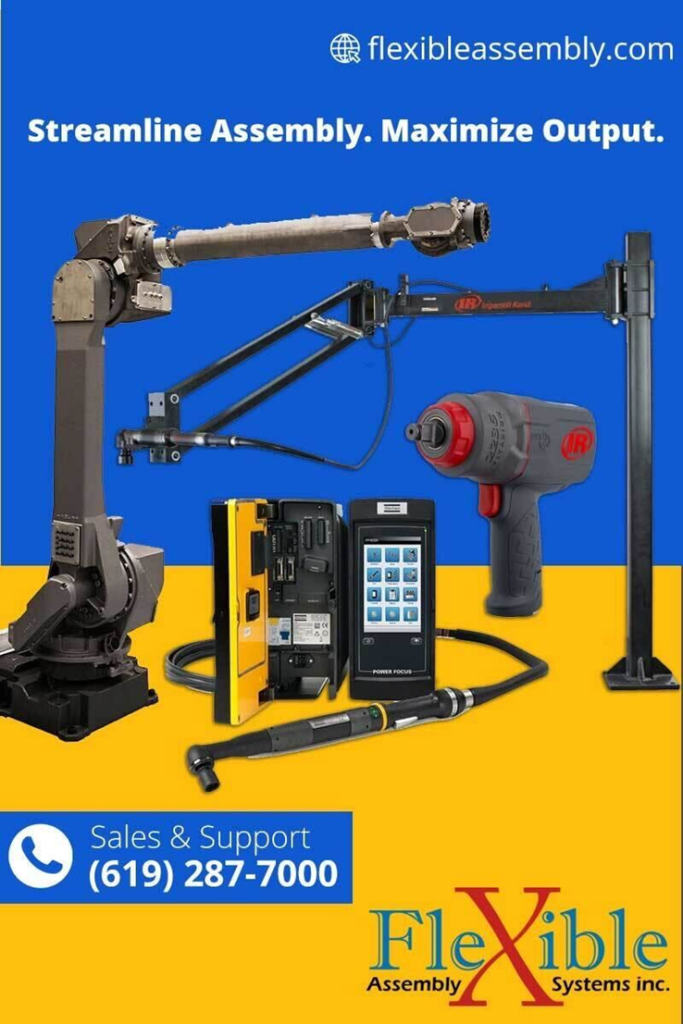
Accurate torque proves vital for joint strength and product life. A bolt set too loose may slip under load. A bolt set too tight may damage thread or warp parts. Manufacturers seek a tool that yields consistent torque at every fastener. Two common options stand out: electric torque screwdriver and torque wrench. Each tool plays a distinct role. You weigh precision, speed, cost, and ease of use when you choose between them. This guide breaks down their core traits, offers clear comparison points, and helps you decide which tool fits your workflow best.
Why precision torque matters?
Every fastener in an assembly faces stress cycles. Under-torque invites vibration and eventual looseness. Over-torque adds material stress and thread fatigue. Electronics sensitivity may shift with uneven clamp forces. Automotive safety relies on torque spec to hold brake calipers. Medical device seals require uniform clamp load. An error of just 0.1 N·m can trigger visible defects or silent failures. Quality leaders demand torque error under 5 percent of target. That tight control cuts scrap, field repairs, and customer complaints.
Electric torque screwdriver design and operation
An electric torque screwdriver delivers preset torque with motor-driven force. A sensor monitors torque on an output shaft. Once the sensor reads the target value, the tool stops or signals the user. That direct feedback prevents over-run. Electric screwdrivers work on small screws and low-torque fittings. Here are key features:
- Torque range from 0.01 N·m to 15 N·m
- Built-in sensor that reads torque in real time
- Programmable torque steps and angle limits
- Digital display for torque and angle readouts
- Data port for export to PC or SPC system
Design variations include pistol grips, straight tools, and balancer-mounted heads. You select form factor based on operator posture and workspace layout.
Torque wrench design and operation
Torque wrench covers a wider torque span. You hold it by a handle, attach a socket, and apply force until it clicks or shows scale value. Wrench types vary:
- Beam wrench uses a bent steel beam that deflects under torque and points to a scale.
- Click-type wrench snaps at target torque and emits a tactile click.
- Dial-type wrench shows torque on an analog dial for live readout.
- Electronic wrench reads torque on a digital display and logs data for PC upload.
Typical torque ranges span from 5 N·m to 2000 N·m. That makes wrench ideal for medium to heavy fasteners in machinery and structural assembly.
Key factors for torque performance
To choose between electric screwdriver and torque wrench you must compare on these critical criteria.
Torque accuracy and repeatability
Accuracy measures closeness to the target torque. Repeatability tracks scatter across multiple operations. Electric screwdrivers often achieve ±3 percent accuracy at low torque. On the high end, a dial wrench may hold ±4 percent at 200 N·m. Click wrenches can vary by up to 6 percent if you apply force unevenly. Electronic torque wrench rivals electric screwdriver repeatability around ±2 percent but at higher torque.
Torque resolution
Resolution defines the smallest torque change a tool can detect. Electric screwdrivers deliver steps as fine as 0.01 N·m. That granularity matters on microelectronic fittings. A beam wrench resolution sits near 2 N·m. A click wrench relies on mechanical slip and has no true digital resolution. An electronic torque wrench may resolve down to 0.1 N·m. If you need sub-0.5 N·m control, a sensor-based tool wins.
Calibration stability
Tool accuracy drifts over time. Heat, dust, and wear may shift internal springs or sensors. Electric screwdriver sensor sits in a closed housing and faces lower mechanical wear. That yields longer intervals between calibration events. A click wrench relies on precise spring force. After hundreds of cycles, its torque trip point may shift. Electronic wrenches offer drift similar to electric screwdrivers but require regular checks at higher torque ranges.
Speed and workflow impact
Electric screwdrivers drive small screws in less than one second. That yield high cycle count in assembly. Video feedback alerts operator to complete a joint. No restart motion lowers cycle time. Torque wrench operation demands steady force ramp. You may hold wrench at angle, feel for click, then back off. That motion takes two to three seconds. On high-mix lines where many different torque values appear, re-setting a wrench slows you further.
Ergonomics and operator variation
Electric screwdriver weight sits under one kilogram. You may hang it on a balancer to remove lift force. That reduces wrist strain. Torque wrench weight scales with its torque range. A 200 N·m wrench weighs five to seven kilograms. Extended use may tire an operator and invite error. Click wrenches depend on user applying constant speed. That adds scatter. A power-driven tool cuts that variation nearly to zero.
Data trace and compliance
An electric torque screwdriver with data port uploads each joint record. You link torque and angle for full trace. Quality teams can audit every fastener. Electronic torque wrench does the same on higher torque ranges. Manual beam and click wrenches lack built-in trace. You must spot-check with a separate bench tester. If you need full documentation, go with electronic options.
Cost comparison
Initial investment in electric screwdriver tests below a thousand dollars for low torque units. Higher torque screwdrivers climb toward two thousand. Electronic torque wrenches start at two thousand and move up with torque capacity. Click-type wrenches cost under a hundred dollars but bring no data link. Beam wrenches run a few tens. Manual tools may seem cheap but hide costs in higher error rate, scrap, and unrecorded audits.
Side-by-side feature comparison
- Torque range: screwdriver best under 20 N·m; wrench best above 20 N·m
- Resolution: screwdriver fine; electronic wrench moderate; manual wrench coarse
- Accuracy: sensor tools better; click wrench depends on force uniformity
- Repeatability: electric screwdriver and electronic wrench lead; manual wrench trails
- Cycle time: power tool wins; wrench slower
- Fatigue risk: screwdriver low; wrench high on heavier range
- Data record: sensor tools include data; manual tools require add-on tester
Scenarios for each tool
Use electric torque screwdriver when you face:
- Small screws and low torque range
- High mix of torque values under 15 N·m
- Tight trace requirement on each joint
- Line pace that demands sub-second drive
- Minimized operator fatigue
Use torque wrench when you face:
- Large bolts above 20 N·m
- Occasional torque check in a repair bay
- No need for continuous data record
- Budget limits on sensor-based tools
Electronic torque wrench may serve as bridge when you need data trace at medium torque on an occasional basis.
Setting up a torque control program
- List each fastener and its torque spec. Note tolerance band.
- Divide fasteners by torque range. Under 20 N·m go to electric screwdriver. Above that use torque wrench.
- Acquire tools with capacity above spec. Allow 25% headroom to avoid overload.
- Calibrate each tool per ISO 6789 rules. Use a certified tester as reference.
- Train operators on tool mount, target readout, and action at torque signal.
- Log calibration date, tool ID, operator ID. Track calibration cycles and out-of-spec events.
- Audit fastener torque on sample parts. Use bench tester for spot checks.
- Adjust process or tool calibration at first sign of drift.
Maintenance and calibration
Sensor tools often require calibration once per year or 5,000 cycles. Manual click wrenches need calibration every six months or after 500 cycles. Electronic torque wrench requires similar schedule to screwdriver but at higher torque. In any case, keep a log sheet per tool. A simple spreadsheet or dedicated software will do. Replace worn sockets and adapters to prevent false readings.
Operator best practices
- Hold electric screwdriver vertically on bit axis. Avoid side load.
- Set proper torque preset and angle limit for each joint.
- Mount torque wrench adapter fully into socket groove.
- Ramp force steadily at 10 to 20 N·m per second.
- Discard tool from use after two out-of-spec reads. Send for recalibration.
Safety considerations
Over-torque may break a bolt and send fragments flying. Under-torque may allow a critical part to separate under load. Wear eye protection when you test sample fasteners. Secure each part under test to avoid spin-off. Keep hands clear of pinch areas on power tools. Follow all electrical safety rules when you charge or service an electric screwdriver.
Budget planning
Balance cost of tool versus cost of scrap and rework. A single sensor tool often pays for itself via scrap elimination in a few months. Manual wrench may cost less today but bring hidden costs in field returns and audit time. Electronic torque wrench and screwdriver integrate to provide data and avoid silent failures. Plan budget at project start and highlight ROI in quality metrics.
Why Choose Flexible Assembly Systems?
Flexible Assembly Systems supports your tool selection and integration. Our offering includes:
- Expert consultation: match tool to fastener range and process.
- Bundle deals: combine electric screwdriver, electronic wrench, and calibration tester.
- Custom software: log torque data directly into your ERP or SPC.
- Training on procedures: teach safe tool mount and torque methods.
- On-site service: calibration and repair with minimal downtime.
Your operation gains a partner, not just a vendor. We help you hit torque targets. That translates into stronger joints and lower failure rates.
Next steps
Evaluate your current torque process today. Chart every fastener and its torque spec. Cross-reference with your tool inventory. Identify gaps under 20 N·m and above. Pilot a mixed tool setup in one cell. Track yields, audit time, and field returns. Scale best practices across your plant. A focused bolt-on improvement in torque control often drives quality gains and cost savings in months, not years.
Accurate torque safeguards product performance and brand reputation. Electric torque screwdriver and torque wrench each serve a clear role. By blending both tools and following a robust calibration plan, you achieve torque control at every joint. Flexible Assembly Systems stands ready to guide your journey toward simple, reliable torque management.
