

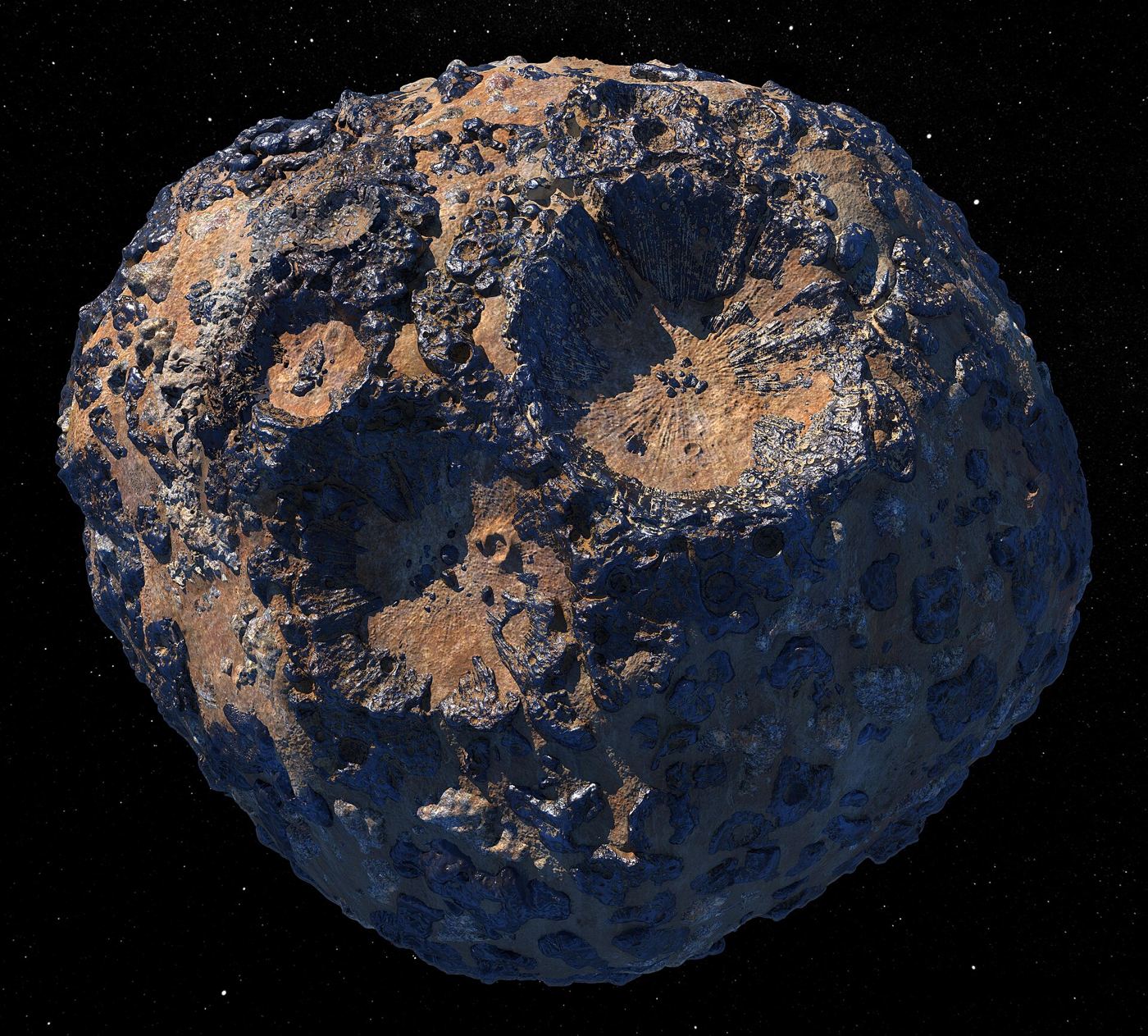
The European Space Agency has released the first close-up images of the asteroid Dimorphos since NASA’s DART spacecraft slammed into it, in a reveal streamed live on Wednesday, November 25, 2026. The images come from ESA’s Hera spacecraft, which launched in October 2024 and reached the Didymos asteroid system earlier this month. Hera will spend six months studying the aftermath of the impact, including how the collision changed Dimorphos’s orbit and structure. As a preview, ESA shared a striking image of the smaller Dimorphos casting a shadow across its larger companion, Didymos, creating a solar eclipse on the surface of an asteroid. The livestream began at 12:45 in the afternoon, Central Time, on the agency’s YouTube channel.
What the Evidence Shows
DART was the world’s first planetary defence test, striking Dimorphos in 2022 to see whether a spacecraft impact could shift an asteroid’s path. Hera is the follow-up mission, sent to measure exactly what the collision achieved and to study the crater it left behind. ESA announced on November 5 that Hera had caught its first glimpse of the two asteroids, and detailed images of both were promised for November 25. The spacecraft will also deploy two small CubeSats, named Milani and Juventas, to examine the system up close. If the method works as hoped, the same approach could one day be used to deflect a genuinely dangerous asteroid away from Earth. Reporting and analysis from sources such as National Science Foundation track the same developments, and specialists following Hera’s first close-up images of Dimorphos say the direction is now consistent across independent lines of evidence.
The Wider Context
The wider context is a research landscape in which replication and open data now decide reputations. Findings connected to Hera’s first close-up images of Dimorphos are being checked by independent groups with shared datasets, and the teams involved publish their methods in full so rivals can test every step. That discipline is slower than a headline cycle, but it is why results in this area increasingly survive first contact with scrutiny.
What Happens Next
What happens next in the story of Hera’s first close-up images of Dimorphos will be decided by follow-up work already under way: larger samples, longer observation and instruments that have not yet come online. The researchers involved are unusually united on one point, that the current results justify the next investment of time and money. Readers will not have to wait long for the first tests of that claim. You can follow related developments in our coverage of science.
There is a practical lesson in all of this for readers deciding what to do today. Start with the verified facts, be wary of anyone promising certainty, and prefer reversible steps while the evidence is still developing. Circumstances differ by country, income and personal situation, so general guidance should always be weighed against your own context before you act on it in any significant or lasting way.
