

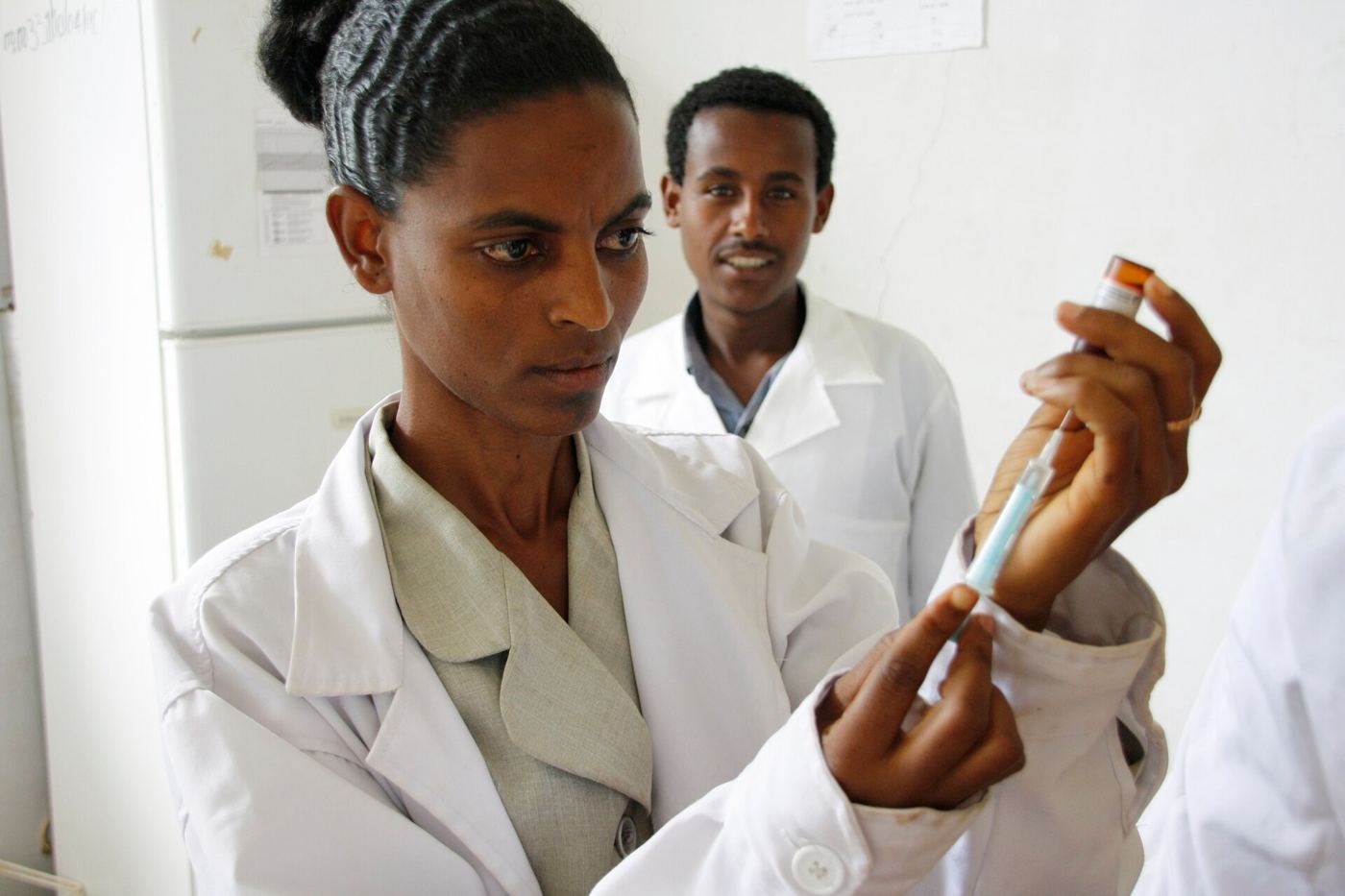
Older adults in England can now get a vaccine against RSV, a respiratory virus that hospitalises thousands of people every winter. The NHS began offering the vaccine on 1 September 2024 to everyone turning 75, with a catch-up programme for those aged 75 to 79, and to pregnant women from 28 weeks, so that babies are protected in their first months. RSV, or respiratory syncytial virus, is best known as a cause of chest infections in babies, but it also causes serious illness in older adults, with around 8,000 deaths a year in Britain among people aged 65 and over, and tens of thousands of hospital admissions. Until the vaccine arrived, there was no way to prevent it. The vaccine is a single dose, and it works by teaching the immune system to recognise a protein on the surface of the virus. Trials showed it cut severe RSV illness in older adults by more than 80 percent, and early data from the rollout suggest it is preventing hospital admissions. Pregnant women are offered a different version of the vaccine, which passes protection to the baby before birth, when infants are most vulnerable.
What the Evidence Shows
RSV is often mistaken for a common cold, and for most healthy adults that is all it is: a runny nose, a cough and a few days of feeling rough. The danger is for people whose lungs or immune systems are already weak, including older adults, people with heart or lung disease, and babies born prematurely. For them, RSV can lead to pneumonia, a stay in hospital and, in the worst cases, death. The vaccine is offered alongside the flu and Covid jabs in the autumn, and GPs and pharmacies can give all three at the same visit. Anyone aged 75 to 79 who has not been offered the vaccine should ask their GP, and pregnant women should take up the offer when it comes, because the protection it gives a newborn is at its strongest in the first months of life. Reporting and analysis from sources such as National Institutes of Health track the same developments, and specialists following RSV vaccine rollout say the direction is now consistent across independent lines of evidence.
The Wider Context
The wider context is a health system trying to move from treating illness late to preventing it early, against budgets that reward the opposite. Evidence around RSV vaccine rollout is being weighed by guideline committees that ask two questions in order: does it work, and can ordinary services actually deliver it at scale. Many good ideas pass the first test and stall on the second.
What Happens Next
What happens next for RSV vaccine rollout depends on the slow machinery of guidelines, funding and training catching up with the evidence. Patients asking about it today should expect honest answers that include uncertainty, and clinicians say a service that explains what is not yet known earns more trust than one that oversells. The research pipeline, at least, is moving in the right direction. You can follow related developments in our coverage of health.
None of this will be settled by a single announcement, study or product launch. The pattern to watch is accumulation: independent confirmations, honest reporting of failures and steady improvement in the underlying numbers. Readers who follow those signals, rather than the loudest claim of the week, will understand this subject better than most of the commentary surrounding it suggests is possible.
