

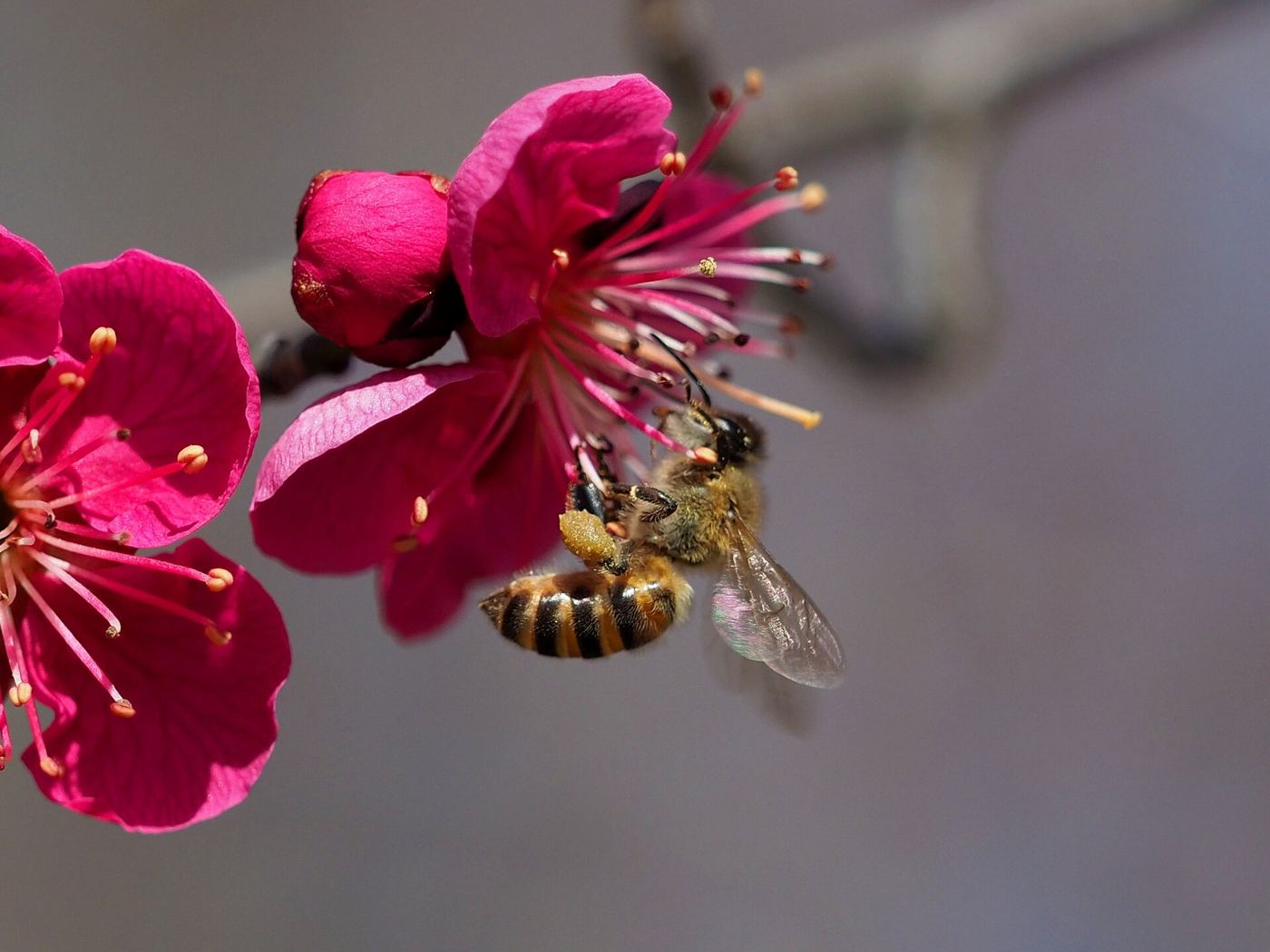
Honeybee colonies in farmland often struggle to find enough food, since large fields of a single crop flower for only a few weeks and leave bees hungry for the rest of the season. Beekeepers and farmers are now planting strips of wildflowers along field margins, hedgerows and field corners, giving bees a varied diet of nectar and pollen through the spring and summer. Trials in several countries show colonies near flower strips are healthier, produce more honey, and are better able to withstand disease and parasites than colonies in landscapes without them. The strips also help wild pollinators, from bumblebees to hoverflies, which in turn improve pollination of the crops themselves. Agricultural advisers say the idea is gaining ground because it is simple, cheap and visible, with farmers able to see the flowers and the bees they attract from the farmhouse door.
What the Evidence Shows
Choosing the right mix of plants matters, since bees need flowers that bloom at different times and provide both nectar for energy and pollen for protein. Researchers recommend native species suited to local soils, avoiding plants that need heavy watering or that could become weeds. Some governments now pay farmers to maintain flower strips under environmental schemes, and early results suggest the payments are good value compared with the cost of pollination failures. Pesticide use must also be considered, since a flower strip next to a sprayed field can do more harm than good. Farmers who have adopted the strips say the main surprise is how quickly wildlife returns, and several report that the strips have become one of the most popular features of their farms with visitors and neighbours alike. Reporting and analysis from sources such as National Science Foundation track the same developments, and specialists following the farmland flower strips for bees say the direction is now consistent across independent lines of evidence.
The Wider Context
The wider context is a research landscape in which replication and open data now decide reputations. Findings connected to the farmland flower strips for bees are being checked by independent groups with shared datasets, and the teams involved publish their methods in full so rivals can test every step. That discipline is slower than a headline cycle, but it is why results in this area increasingly survive first contact with scrutiny.
What Happens Next
What happens next in the story of the farmland flower strips for bees will be decided by follow-up work already under way: larger samples, longer observation and instruments that have not yet come online. The researchers involved are unusually united on one point, that the current results justify the next investment of time and money. Readers will not have to wait long for the first tests of that claim. You can follow related developments in our coverage of science.
There is a practical lesson in all of this for readers deciding what to do today. Start with the verified facts, be wary of anyone promising certainty, and prefer reversible steps while the evidence is still developing. Circumstances differ by country, income and personal situation, so general guidance should always be weighed against your own context before you act on it in any significant or lasting way.
