

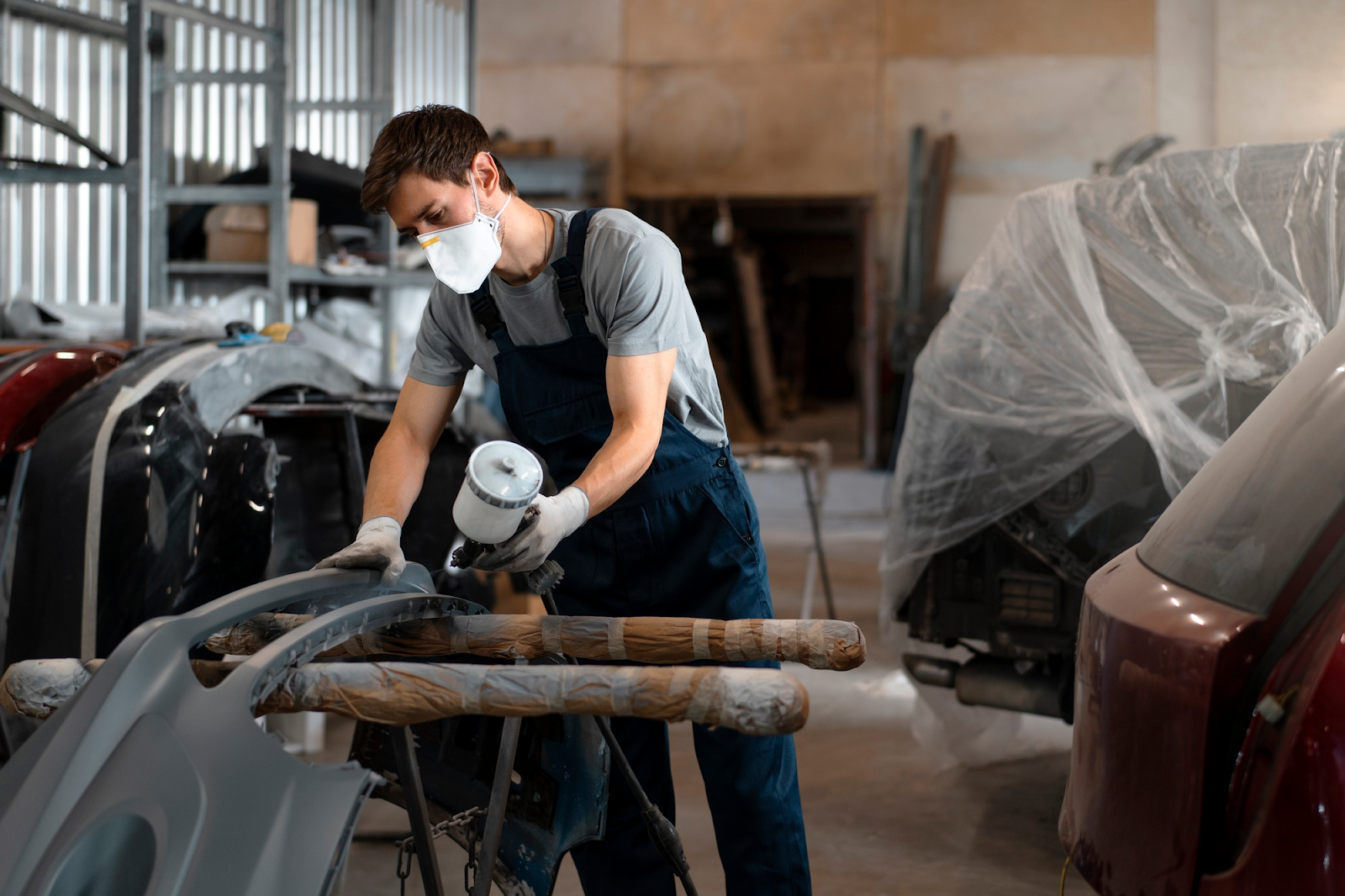
The automotive sector of Melbourne is growing rapidly and undergoing a massive shift toward sustainability, driven by a combination of consumer demand and government regulations, while industry-led innovations have changed the conventional market structure. Apart from this, the environmental factors are a key part of the industry’s future, moving beyond. Here, we talk about the scratch and dent repair industry, which is going green in 2026.
The emergence of environmental responsibility is driven by consumer demand and regulations. The local councils, like the City of Melbourne, are implementing strict environmental regulations and emissions standards to combat climate change and issues regarding urban pollution. So, what are the most reliable ways the scratch and dent repair industry is trying to be sustainable and beneficial? Let’s find out in this blog.
Sustainable Trends to Watch Out for in the Auto Repair Industry
Here are the top 5 ways in which the auto repair industry is introducing sustainability to the industry:
- Low-VOC and Water-Based Paint Systems
The low-VOC paints are the fundamental ingredient in developing ground-level ozone, a key component of smog. While limiting VOC emissions, low-VOC paints can directly reduce the formation of harmful air pollutants. Using low-VOC paints reduces the overall chemical exposure for painters and building occupants who develop health issues, including respiratory problems.
Due to fewer harmful emissions and less chemical exposure, technicians addressing scratch and dent repairs in Melbourne experience improved workflow efficiency in workshop settings. It fosters regulatory compliance and ensures eco-friendly services, using sustainable products. Local initiatives and certification programs provide incentives and a framework for workshops to switch to eco-friendly options.
- Eco-Friendly Paintless Dent Repair (PDR) Techniques
Eco-friendly paintless dent repair (PDR) techniques drive the scratch and dent repair industry towards sustainable practices, meeting growing customer requirements for greener options and offering cost-effective a time-saving solutions over traditional methods. Moreover, the eco-friendly PDR eliminates the requirements for primers, paints, and body fillers, containing harmful chemical release. The minimal use of various materials and the generation of virtually no waste significantly lowers the environmental footprint compared to conventional repairs.
Since it does not require heavy materials and requires less labour, PDR is more affordable for small dent repair in Melbourne. The economic benefits are appealing to both insurance companies and car owners, and they identify it as the most preferred repair solution.
| Repair Method | Paint Use | Material Waste | Environmental Score |
| Traditional panel repair | High | High | Low |
| Spot repair | Moderate | Moderate | Medium |
| Paintless dent repair (PDR) | None | Minimal | High |
Table 1: Environmental Impact Comparison
- Recycling Metal Panels and Automotive Parts
Recycling and refurbishing old panels and parts creates a sustainable source of cheaper, functional components, which reduces repair costs. The shift towards sustainability offers opportunities to scratch and dent repair companies to incorporate green initiatives, such as partnering with recycling centres to reuse old components.
Since the industry of scratch and dent repair in Melbourne experiences a higher customer engagement, the recycling of old automotive parts has become more useful. It reduces the environmental impact associated with the production of new automobile parts, and it keeps a significant number of materials and products out of landfills. The shift towards recycling and reusing auto parts supports a more circular economy, as materials are supposed to be used for as long as possible.
- Energy-Efficient Workshops
Energy-efficient workshops have been a key part of scratch and dent repair in Melbourne, meeting growing customer demand for sustainability, business competitive edge, and reputation. Since the industry is a major energy-consuming consumer with spray, light, air compressors and HVAC systems, energy-efficiency practices (e.g., LED lighting) lead to reduced utility bills and increased profit margins.
As energy-efficient technologies improve operational efficiency, workshops utilise advanced infrared lamps for curing paint with faster drying times, which increases productivity. The transition to LED lighting and using motion sensors reduces electricity consumption by 25%. Moreover, installing on-site solar panels and using water-based paints, recycling programmes for plastic and metal ensure responsible disposal of hazardous materials, minimise environmental impact, and appeal to eco-aware customers.
- Sustainable Consumables (Sandpaper, Pads, Cloths)
Sustainable consumables are one of the key drivers of the scratch and dent repair industry, since they drive the adoption of eco-friendlier repair methods, thereby reducing energy consumption and waste. Processes like PDR methods, compared to traditional small dent repair or other repair services, foster major environmental benefits due to less energy consumption. On the other hand, PDT is a chemical-free process, reducing the threats regarding volatile organic compounds (VOCs) and harsh solvents.
The sustainable factors not only empower the brand reputation for scratch and dent companies in Melbourne, but also foster future-proofing through market position and stakeholder engagement in Australia.
| Consumable | Traditional Option | Eco-Friendly Replacement | Benefit |
| Sandpaper | Single-use sheets | Long-life sanding systems | Less waste |
| Cleaning cloths | Disposable wipes | Reusable microfibers | Reduced landfill |
| Fillers | Chemical-heavy fillers | Low-toxicity compounds | Safer for workers |
| Paint thinners | Solvent-based | Water-based | Fewer emissions |
Table 2: Sustainable Consumables Used in Green Auto Repair
Summary
As the industrial practices have moved towards maintaining sustainable programmes, the scratch and dent industry of Melbourne has adopted several tools and innovations to provide green solutions. The use of eco-friendly PDR and low-VOC and water-based paint systems has not been cost-effective, but also reduced the product-based ecological footprint. Moreover, the use of sustainable products and recycling metal panels, along with the development of energy-efficient workshops, is expected to be valuable for the industry’s shift towards green in 2026.
Looking for sustainable scratch and dent services in Melbourne?
Not sure about the services and green standard? Visit brand websites and find the best in Melbourne and experience the differences.
