

Getting paid on time is one of the most important yet frustrating parts of running a business. Many entrepreneurs focus heavily on sales, marketing, and client acquisition, but overlook the systems that actually ensure money reaches their bank account smoothly. Invoicing is one of those systems.
A professional invoice is more than just a request for payment. It is a communication tool, a reflection of your brand, and a key part of your cash flow management. Poor invoicing practices can lead to delayed payments, confusion, disputes, and unnecessary stress. On the other hand, clear and structured invoicing can significantly improve how quickly clients pay you.
In 2025, as businesses operate in increasingly global environments, invoicing has become even more important. Clients expect clarity, speed, and professionalism in every transaction. This is especially true for international entrepreneurs and businesses that open a company in Hong Kong, where cross-border payments, multi-currency transactions, and compliance requirements make invoicing even more critical.
This article explains how to invoice clients professionally and get paid faster using proven strategies that improve cash flow and client relationships.
Why Professional Invoicing Matters
Many business owners underestimate the importance of invoicing. They treat it as a formality instead of a strategic part of their financial system. In reality, invoicing directly affects how quickly you get paid and how clients perceive your business.
A professional invoice communicates credibility. It shows that your business is structured, organized, and trustworthy. It also reduces misunderstandings by clearly stating what is owed, when it is due, and how payment should be made.
For entrepreneurs who open a company in Hong Kong, professional invoicing is even more important because international clients often evaluate legitimacy based on documentation quality. A poorly structured invoice can delay payments or even create compliance issues.
Invoicing is not just administrative work. It is part of your revenue system.
The Anatomy of a Professional Invoice
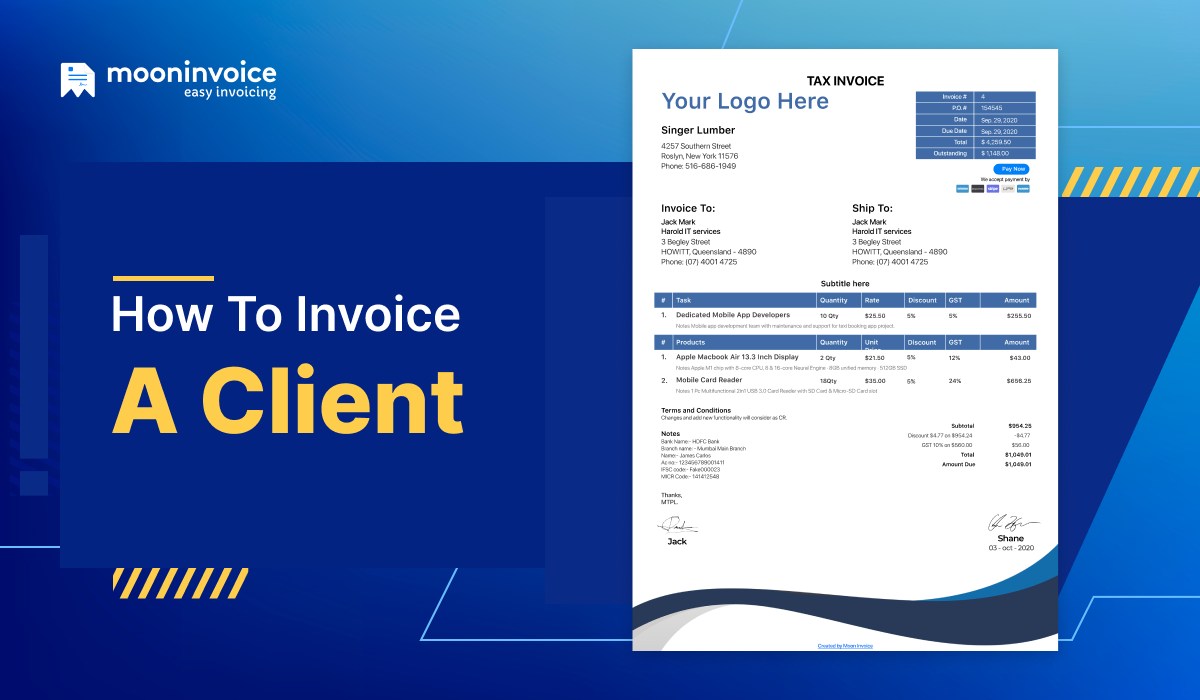
A well-structured invoice contains all the necessary information a client needs to process payment quickly. This includes business details, client details, invoice number, date, description of services, total amount due, payment terms, and payment instructions.
Clarity is essential. Clients should never have to guess what they are paying for or how to pay you.
Each invoice should have a unique identifier so that it can be tracked easily. This helps both you and your client manage records efficiently.
For businesses that open a company in Hong Kong, maintaining structured invoices is often necessary for accounting, tax reporting, and international financial compliance.
A complete invoice reduces friction and speeds up payment processing.
Step One: Send Invoices Immediately After Work Completion
Timing plays a major role in how quickly clients pay. The longer you wait to send an invoice, the more likely payment delays become.
Invoices should be sent immediately after project completion or according to agreed milestones. This keeps the transaction fresh in the client’s mind and reduces the chance of delays.
Delayed invoicing often signals a lack of urgency, which can lead clients to prioritize other payments.
Even businesses that open a company in Hong Kong and operate with structured contracts benefit from immediate invoicing because it reinforces financial discipline and cash flow consistency.
Speed in invoicing leads to speed in payment.
Step Two: Set Clear Payment Terms
One of the biggest reasons for delayed payments is unclear or missing payment terms. Clients need to know exactly when and how they are expected to pay.
Common payment terms include net 7, net 15, or net 30, which indicate the number of days within which payment is due.
Shorter payment terms generally lead to faster payments, while longer terms increase the risk of delays.
Clear expectations eliminate confusion and reduce excuses for late payments.
For entrepreneurs who open a company in Hong Kong, clear payment terms are especially important when dealing with international clients who may operate under different financial norms.
Clarity creates accountability.
Step Three: Use Professional Invoicing Software
Manual invoicing using spreadsheets or documents may work in the early stages, but it quickly becomes inefficient as the business grows.
Invoicing software automates invoice creation, tracks payments, sends reminders, and organizes financial records.
This reduces human error and ensures consistency across all invoices.
It also provides a professional appearance that increases client confidence.
Businesses that open a company in Hong Kong often rely on accounting and invoicing software to manage multi-currency transactions and international client payments efficiently.
Automation improves both speed and accuracy.
Step Four: Offer Multiple Payment Options
Clients are more likely to pay quickly when payment is convenient. Limiting payment methods can create unnecessary delays.
Offering multiple payment options such as bank transfer, credit card, or online payment platforms increases the likelihood of fast payment.
The easier it is to pay, the faster clients will complete the transaction.
For international businesses that open a company in Hong Kong, multi-currency payment flexibility is especially important because clients may be located in different regions with different banking preferences.
Convenience directly impacts cash flow speed.
Step Five: Use Clear and Simple Language
Invoices should be easy to understand. Complicated language, unclear descriptions, or vague service details can create confusion and delay payment.
Each line item should clearly describe what was delivered and why the client is being charged.
Avoid unnecessary jargon or overly technical descriptions.
Clarity reduces friction and helps clients process invoices faster.
Even businesses that open a company in Hong Kong and serve international clients benefit from simplified communication because it reduces misunderstandings across different languages and cultures.
Simple communication speeds up approval.
Step Six: Send Automated Payment Reminders
Even good clients sometimes forget to pay on time. Automated reminders help ensure that invoices are not overlooked.
Reminders can be sent before the due date, on the due date, and after the due date if necessary.
These reminders should be polite but firm, reinforcing payment expectations without damaging client relationships.
Automation ensures consistency and removes the emotional discomfort of chasing payments manually.
Businesses that open a company in Hong Kong often rely on structured reminder systems to maintain healthy cash flow across international clients.
Reminders protect revenue consistency.
Step Seven: Build Strong Client Relationships
Clients are more likely to prioritize payments when they have a strong relationship with the service provider.
Good communication, reliability, and professionalism all contribute to faster payments.
When clients trust you, they are less likely to delay payments intentionally.
Building relationships also reduces disputes and misunderstandings that can delay invoicing.
For international entrepreneurs who open a company in Hong Kong, relationship building is especially important because trust plays a major role in cross-border business transactions.
Strong relationships support financial stability.
Step Eight: Require Upfront Payments or Deposits
One of the most effective ways to improve cash flow is to require partial or full upfront payments before starting work.
This reduces financial risk and ensures commitment from the client.
Deposits also improve cash flow consistency and reduce dependency on post-completion payments.
This model is widely used in professional services and international business environments.
Businesses that open a company in Hong Kong often use deposit structures for consulting, incorporation services, and project-based work to ensure financial security.
Upfront payments reduce risk and improve liquidity.
Step Nine: Follow Up Professionally on Late Payments
Late payments are sometimes unavoidable, but how you handle them matters.
Follow-ups should be professional, polite, and consistent. The goal is to remind clients without damaging the relationship.
Ignoring late payments can lead to longer delays and financial stress.
Structured follow-up systems ensure accountability while maintaining professionalism.
Even businesses that open a company in Hong Kong use formal communication protocols for overdue payments to maintain credibility and compliance standards.
Professional persistence improves payment recovery.
Step Ten: Track Invoicing Performance
Tracking how quickly clients pay allows you to identify patterns and improve your invoicing strategy.
Metrics such as average payment time, overdue invoices, and client payment behavior provide valuable insights.
This data helps optimize payment terms, reminders, and invoicing processes.
Businesses that open a company in Hong Kong often track invoicing performance closely due to regulatory and financial reporting requirements.
Data-driven invoicing improves financial efficiency.
Conclusion
Professional invoicing is not just an administrative task. It is a critical part of business success that directly impacts cash flow, client relationships, and financial stability.
By improving invoicing structure, setting clear terms, using automation, and maintaining strong communication, businesses can significantly reduce payment delays and improve financial predictability.
For entrepreneurs who open a company in Hong Kong, professional invoicing is even more important due to international operations, compliance requirements, and multi-currency transactions.
Ultimately, getting paid faster is not about pressure. It is about clarity, structure, and professionalism in every step of the invoicing process.
FAQs
Why is professional invoicing important?
Professional invoicing ensures clarity, improves credibility, and helps businesses get paid faster by reducing confusion and delays.
How can I get clients to pay faster?
You can get clients to pay faster by sending invoices immediately, setting clear payment terms, and offering multiple payment options.
What should be included in a professional invoice?
A professional invoice should include business details, client information, invoice number, payment terms, service description, and payment instructions.
Why do businesses open a company in Hong Kong for invoicing purposes?
Many entrepreneurs open a company in Hong Kong to support international operations, multi-currency invoicing, and structured financial management.
What are common payment terms for invoices?
Common payment terms include net 7, net 15, and net 30, which define how many days a client has to make payment.
Can invoicing software improve cash flow?
Yes, invoicing software automates billing, sends reminders, and tracks payments, which helps improve cash flow efficiency.
What should I do if a client does not pay on time?
You should send professional reminders and follow up consistently while maintaining a respectful tone.
Is it better to request upfront payments?
Yes, upfront payments reduce financial risk and improve cash flow stability for service-based businesses.
You should also read: TechAiTech
