

Knee pain can feel like a heavy weight holding you back from your daily routine and life. Whether it is a sharp sting when you climb stairs or that sharp and dull ache after a long morning walk, etc. Finding and wearing the right support is essential.
Here, the confusion is that a lot of people wonder if a simple knee cap is enough or if they need something more heavy-duty, like a hinged knee brace.
Choosing the right gear depends on your injury, your activity level, and how much stability your joint needs.
In this edition, you will understand when it is time to step up your support to a hinged version.
What is a Hinged Knee Brace?
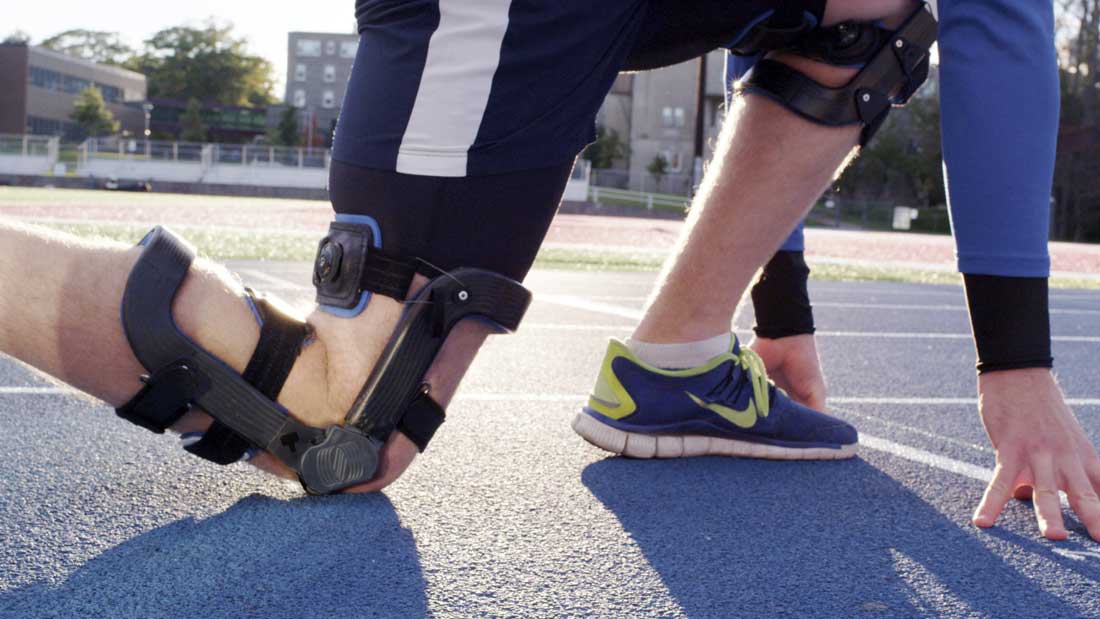
A hinged knee brace is a specialized type of support designed to provide maximum stability. Unlike a standard knee brace made of just fabric, a hinged version has metal or plastic hinges on the sides.
These hinges mimic the natural movement of your knee. They allow the leg to bend and straighten (flexion and extension) while preventing the knee from wobbling side-to-side. This lateral support is crucial for protecting weakened ligaments.
When Should You Choose a Hinged Knee Brace?
A standard knee cap is great for mild swelling or a bit of extra warmth, but it doesn’t stop the joint from shifting. You should be wearing a hinged knee brace in the following situations:
Ligament injuries (ACL, MCL, LCL): If you have torn or strained a ligament, your knee may feel loose. The hinges work like outside ligaments to keep the joint aligned.
Recovery After Surgery: The joint is weak after knee surgery. A hinged support keeps you from moving in a way that could damage the surgical repair.
Severe Osteoarthritis: When the cartilage wears down significantly, the knee can become unstable. The metal stays help take the pressure off the joint.
Contact Sports: If you are returning to sports like football or basketball, the hinges protect against side-impact hits.
Benefits of Using Knee Hinge Support
A knee hinge support brace offers several advantages over simpler sleeves:
Prevent Hyperextension: It stops the knee joint from bending too far.
Take off Joint Weight: The hinge support helps distribute the body’s weight from the injured area to the secure joint, preventing further damage.
Increase Self-Assurance: Once you know your knee joint won’t give way. You’ll walk and exercise without worrying about feeling any pain.
Controlled Movement: Some braces let you lock the hinge at certain angles to stop movements that are too strong or harmful while you heal.
How Does it Compare to a Regular Knee Cap?
It is easy to get confused between a knee cap and a knee brace.
The Knee Cap: Usually a sleeve made of elastic or neoprene. It provides compression, which reduces swelling and increases blood flow. It is best for a runner’s knee or minor aches.
The Hinged Brace: Much bulkier and more rigid. It is used when the structure of the knee (the bones and ligaments) needs physical protection rather than just compression.
Step-By-Step Guide for Wearing The Hinge Brace Correctly
To get the most out of your hinged knee brace, follow these simple steps one by one:
1. Alignment is Key: Make sure that the hinges on both sides are perfectly lined up with the center of your knee joint.
2. Check for Snug Fit: Check for looseness and tightness. It is snug enough that it doesn’t slide down, and not too tight to feel tingly.
3. Wear it Over or Under? Most people prefer wearing a thin, moisture-wicking sleeve underneath the brace to prevent skin irritation.
4. Consistency: Use the brace during the activities that cause the most pain or instability, as advised by your doctor.
Essential Do’s and Don’ts for Using a Hinged Knee Brace
The Do’s:
- Do check your skin regularly for redness or irritation after wearing the hinged knee brace.
- Do use your knee brace with strengthening exercises that a professional suggests.
- Make sure the straps are evenly fastened so that the pressure on the joint stays even.
The Don’ts:
- Don’t wear a brace that feels too loose; if it slides, it isn’t protecting your knee cap.
- Don’t rely on the brace all the time, as this can weaken your knee muscles. Give them time to heal by themselves.
- Don’t ignore increasing pain; if the discomfort gets worse while wearing the support, take it off and consult a doctor.
When to consult a Doctor?
While a knee brace is a fantastic tool, it is not a cure-all. You should talk to a doctor or physiotherapist if:
- The pain does not improve after two weeks of use.
- Your knee is severely swollen or bruised.
- You cannot put any weight on your leg.
- The joint feels completely stuck or locked.
Final Thoughts
A hinged knee brace is a strong orthopedic device for people who have a lot of instability, need extra support, need stability after surgery, or are recovering from a sports injury. A knee cap can help with minor pain, but a hinged knee brace is the best way to protect your ligaments.
Always follow your body’s needs, choose the support that best matches your pain level, and stay active safely.
Frequently Asked Questions
Q1. Is it okay to wear a hinged knee brace all day?
No, you shouldn’t wear it all the time, especially at night or when you sleep. It is best to wear it during physical activities.
Q2. Is a knee cap better than a hinged brace for gym workouts?
For general compression and warmth, a knee cap works well. Use a hinged knee brace only if you have structural instability.
Q3. What is the best Knee Hinge Support in India?
The Leeford Ortho Knee Hinge Support is a top choice in India. This is because it offers medical-grade stability and comfort for recovering from knee pain.
Q4. How do I clean my hinged brace without damaging it?
Remove the metal hinges if possible. Hand wash the fabric with mild soap and air dry it away from direct sunlight.
